What Is Radon Testing and When Should I Get My Home Tested?
Date Published: January 20, 2026
Buying a home is exciting—and sometimes a little nerve-wracking. There’s a lot to think about: inspections, appraisals, and making sure your dream home doesn’t come with hidden surprises. One thing that often flies under the radar (pun intended) is radon. This naturally occurring gas is invisible and odorless, but testing for it is a smart step for any homebuyer in Colorado.
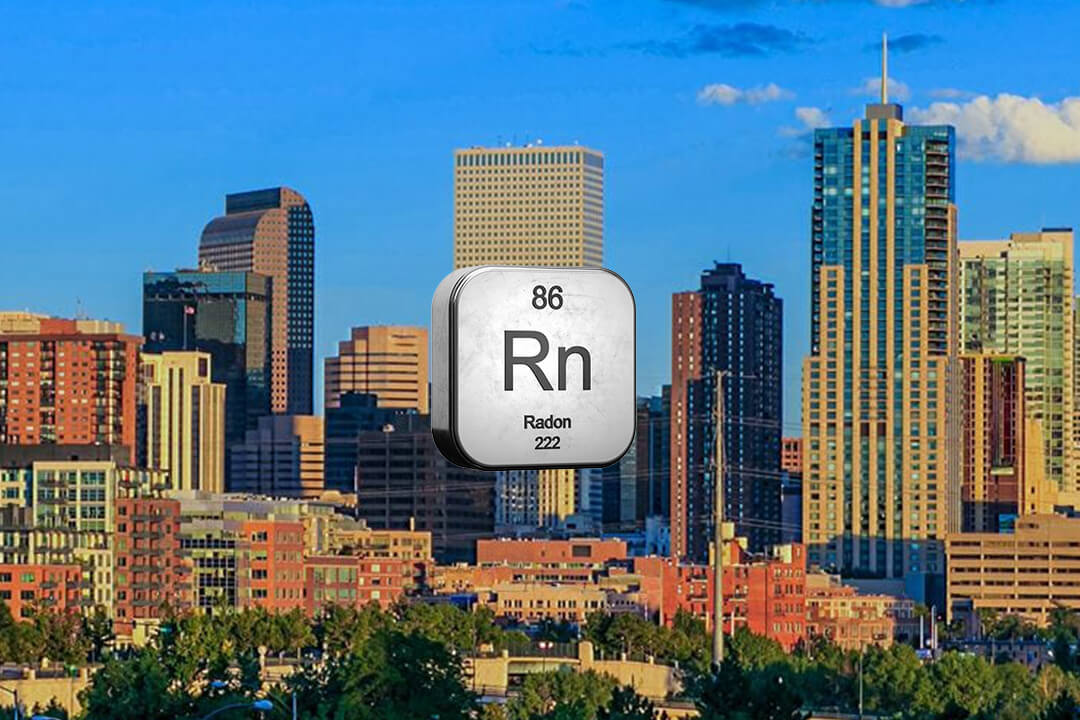
Radon is a radioactive gas that comes from the breakdown of uranium in soil, rock, and water. It can seep into homes through cracks in the foundation, gaps around pipes, and other small openings. While it’s a natural part of the environment, prolonged exposure to elevated radon levels can pose health risks. That’s why testing your home is so important. Luckily, testing is simple, non-invasive, and gives you peace of mind before you make one of the biggest investments of your life.
Radon Levels Across Colorado
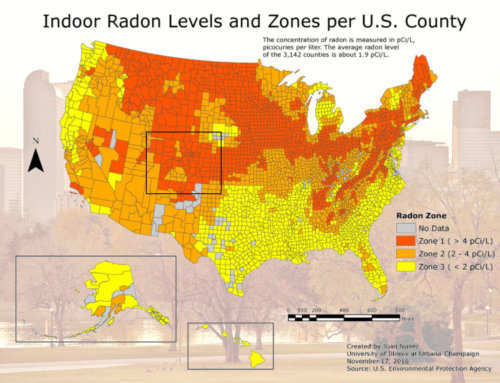
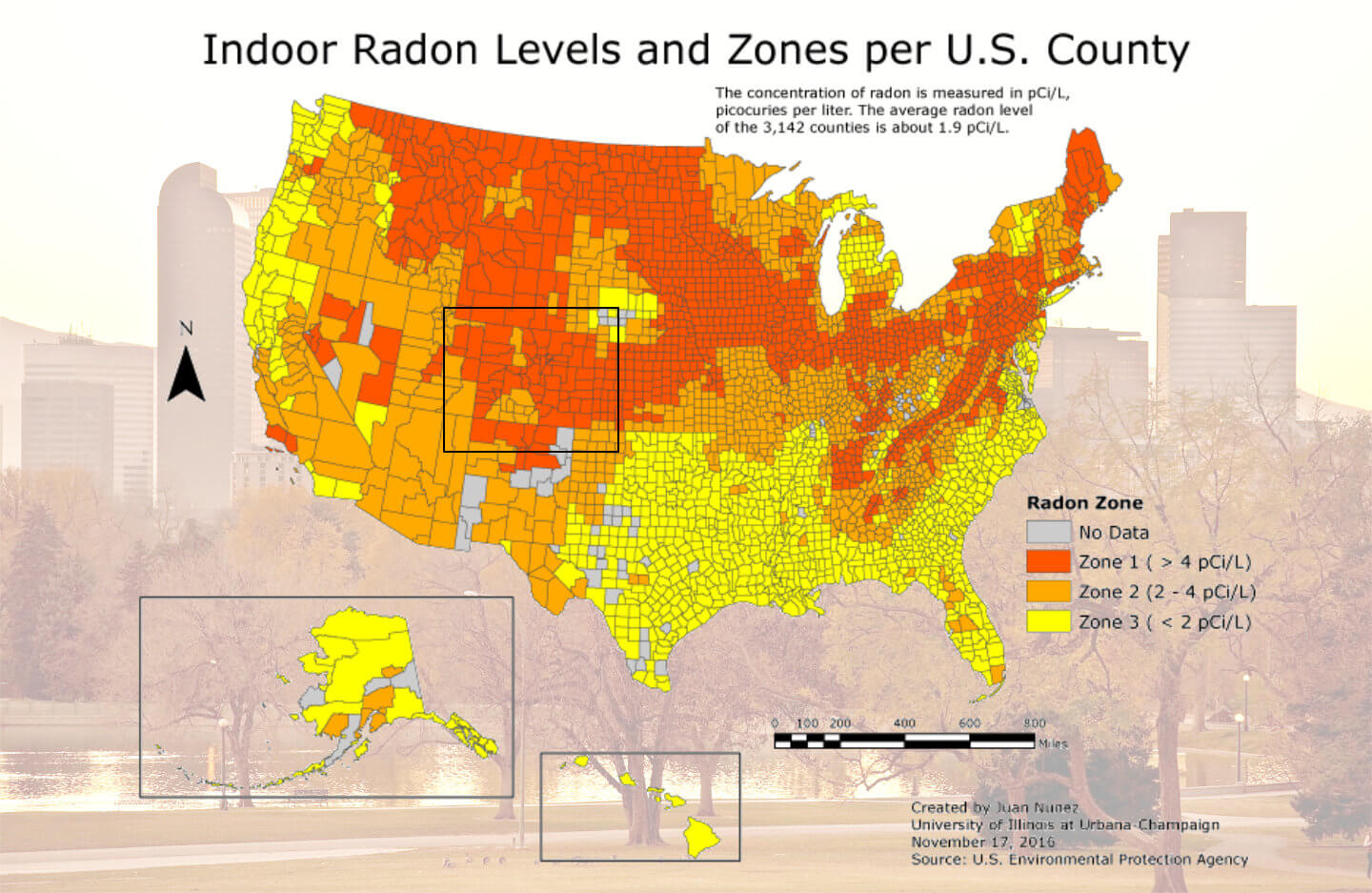
In Colorado, much of the Front Range—including Denver, Boulder, and Fort Collins—is in Zone 1 for radon potential. These zones indicate a high likelihood of elevated radon levels.
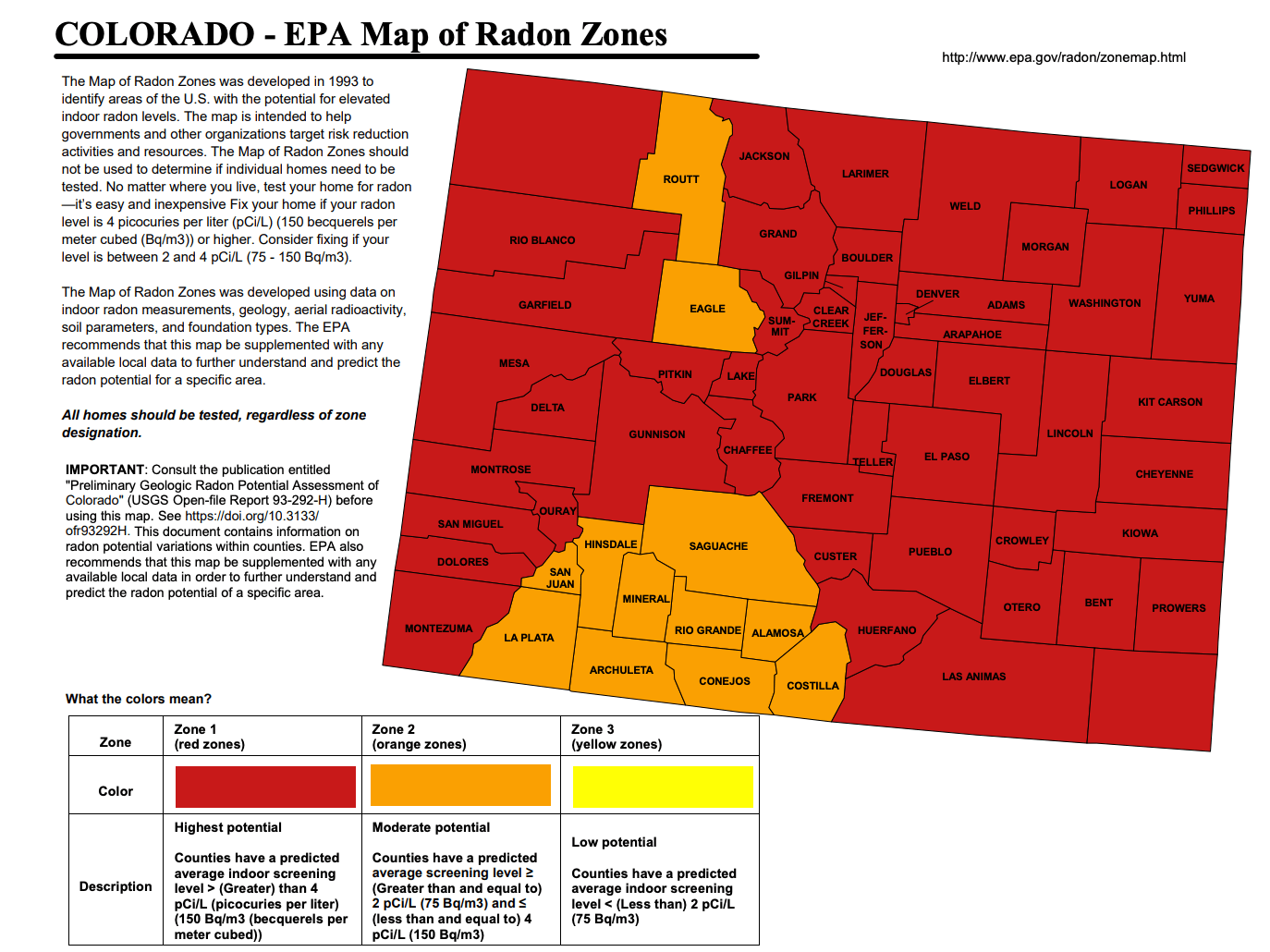
Most of Colorado, especially the Front Range, falls into Zone 1, meaning a high potential for elevated radon levels.
In practical terms, that means there’s a reasonable chance your home could have higher-than-recommended levels of radon. This makes testing a wise precaution, even in newer or well-maintained homes.
Think of it as a routine check-up for your house. It doesn’t mean something is “wrong.” Just that you’re being thorough.
How Radon Testing Works
Radon testing typically comes in two flavors: short-term and long-term.
Short-term tests last a few days and are great for quick insights during the buying process. Long-term tests run for a few months and give a more accurate picture of average radon levels over time.
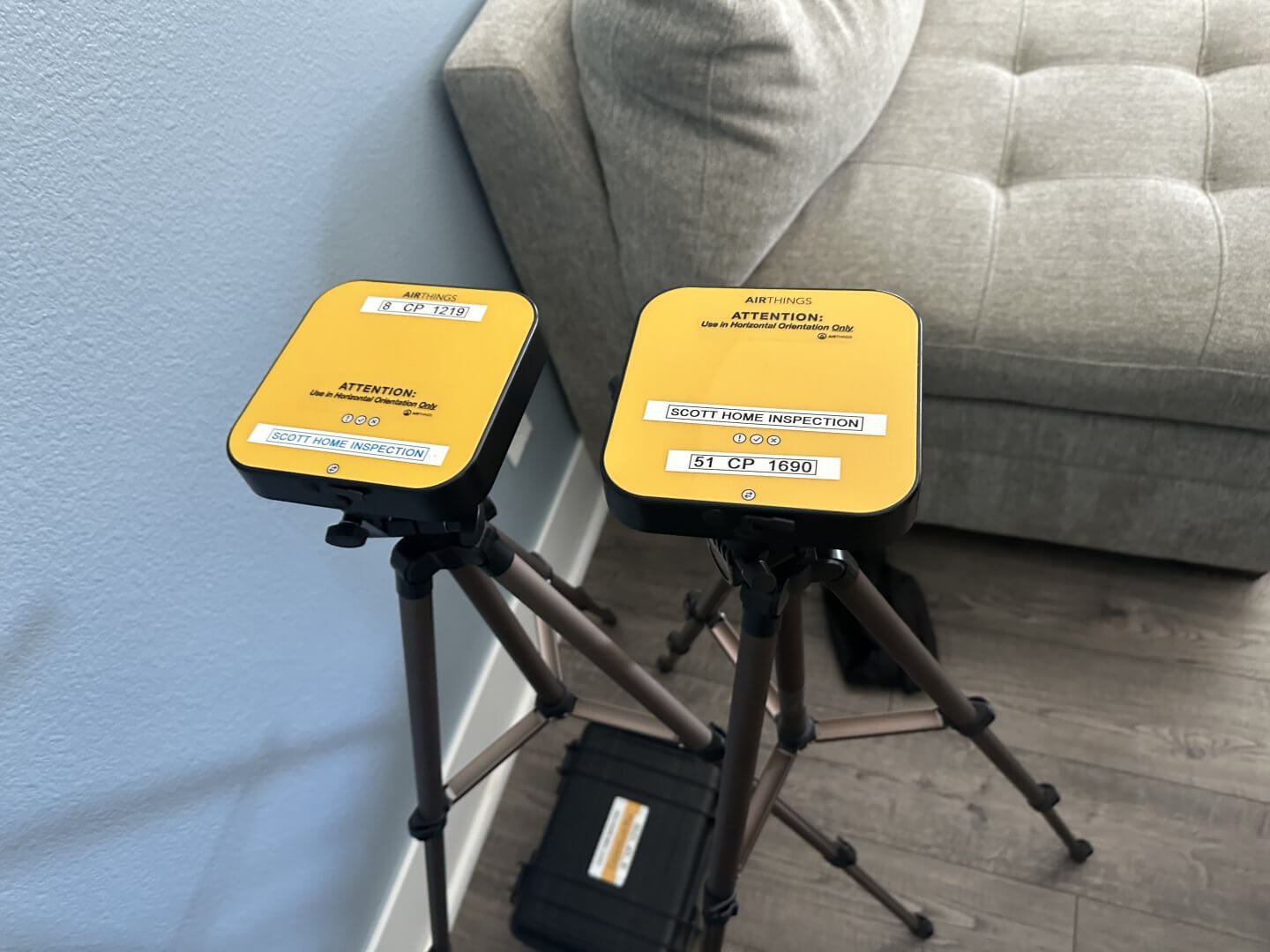
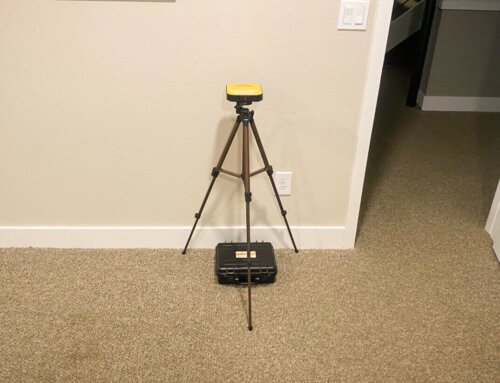
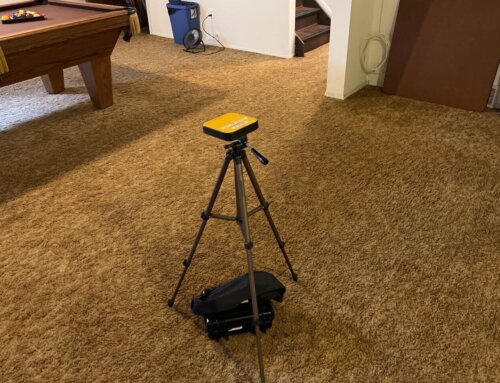
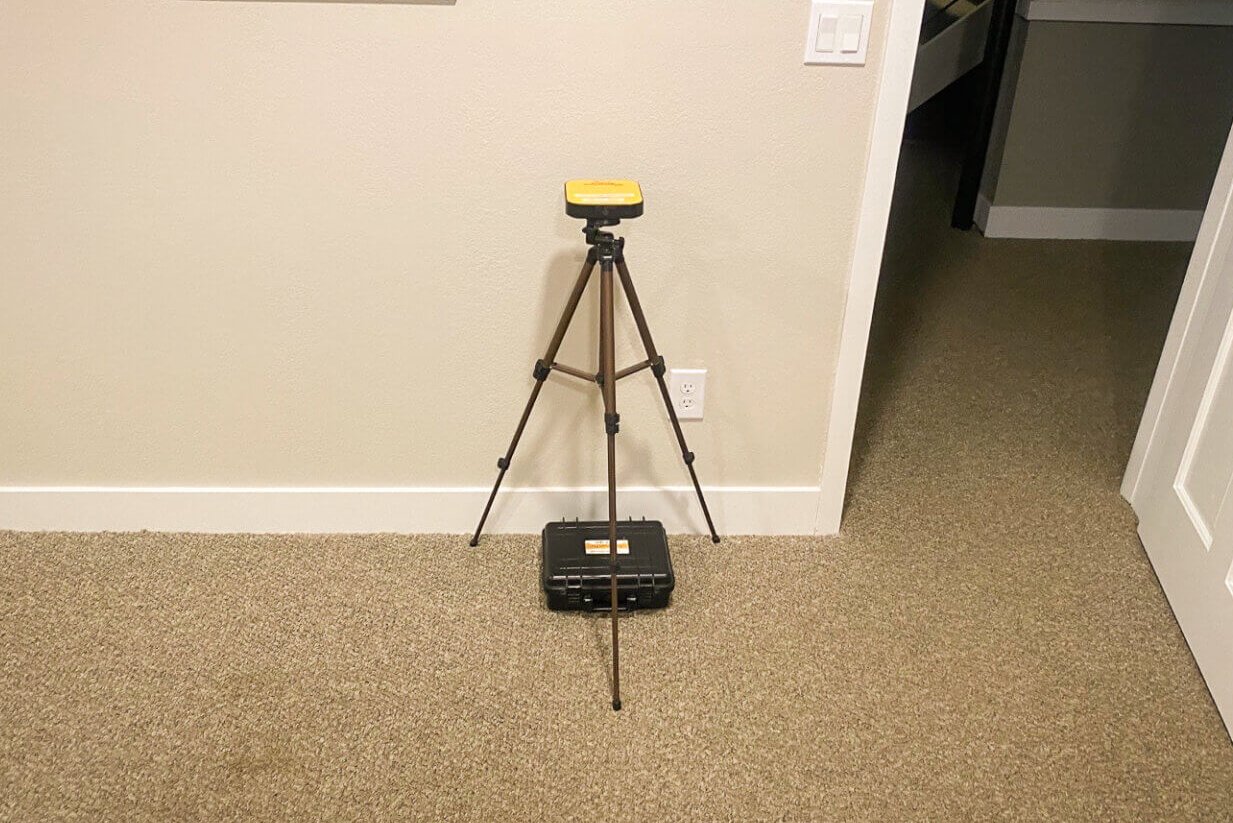
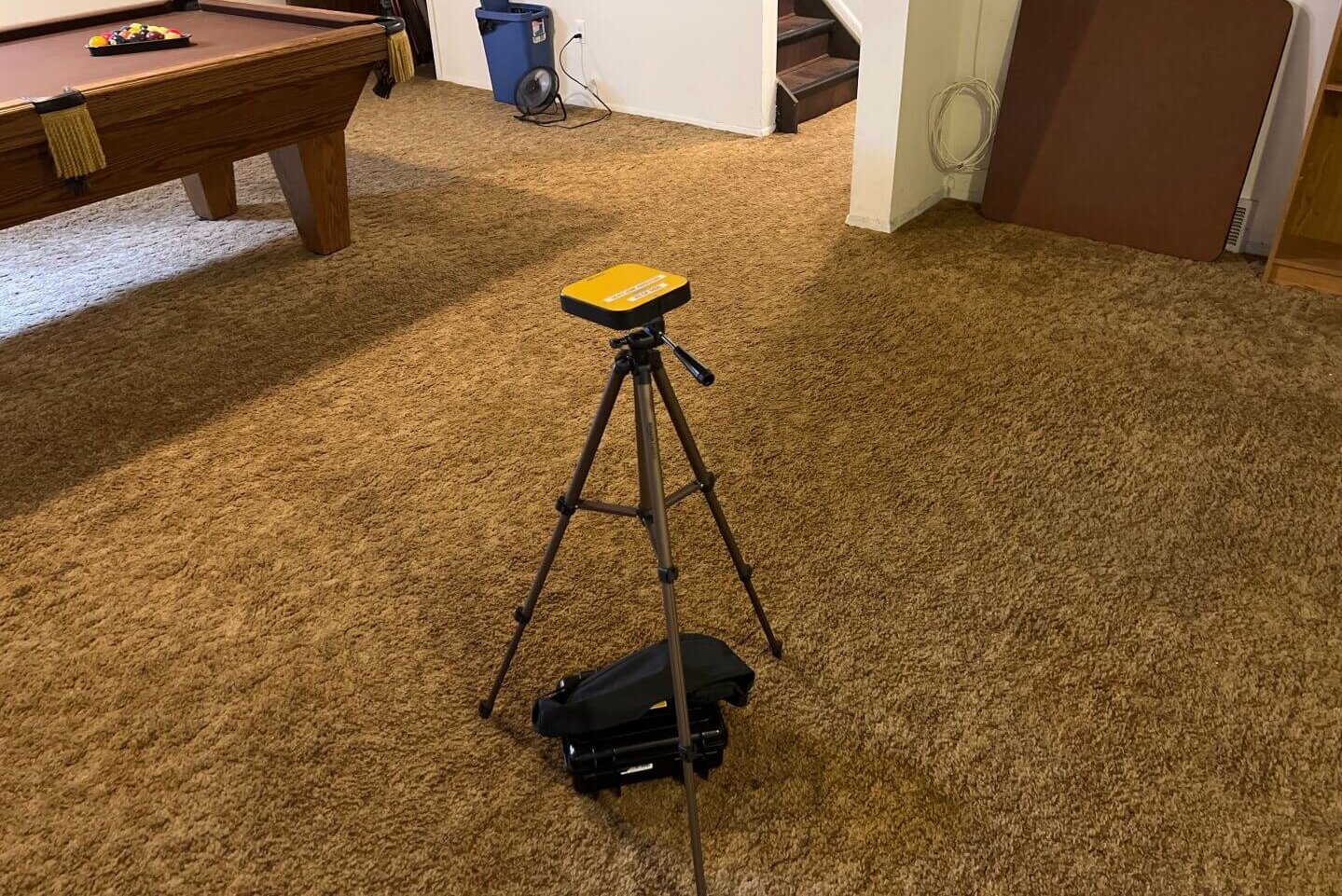
Smart monitors like these go a long way in tracking radon and air quality inside the home.
The Environmental Protection Agency (EPA) recommends taking action if radon levels reach 4 picocuries per liter (pCi/L) or higher. That number might seem technical, but the main takeaway is simple: testing gives you the information you need to make confident decisions.
When Should You Test for Radon?
Homebuyers often wonder, “When should I get my home tested?” The best time is usually during the inspection period before closing.
If you’re working with a real estate agent, they can help coordinate a radon test alongside your general home inspection. This way, any elevated levels are identified early, giving you options before the deal is finalized. Testing can be done in nearly any home—new builds, older properties, and everything in between—so there’s no home too small or too fancy to skip this step.
Another good time to test is when your home has undergone recent renovations or foundation work. Even small changes in a home’s structure can affect how radon enters and circulates inside.
For buyers, this is especially relevant if the previous owners made changes without considering radon barriers or ventilation adjustments. By testing now, you can avoid surprises later and maintain confidence in your investment.
Radon Testing for Peace of Mind
Some buyers might think, “My house looks fine. Do I really need to test?” It’s an easy assumption to make. Radon is invisible, so there are no visual clues to hint at its presence.
Homes with no signs of damage or moisture can still have elevated levels. Testing removes the guesswork and ensures your home is safe, giving both you and your agent clear information to make informed choices.
The good news is that testing is straightforward and non-disruptive. Most radon tests are placed in the lowest livable area of the home like the basement or ground floor.

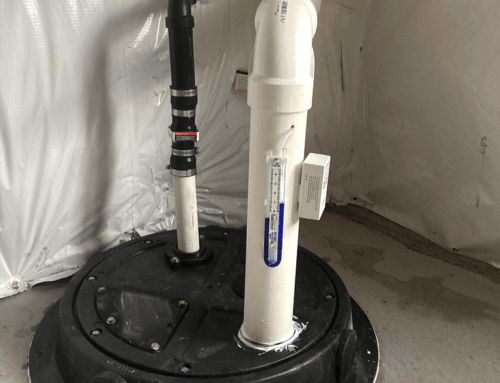
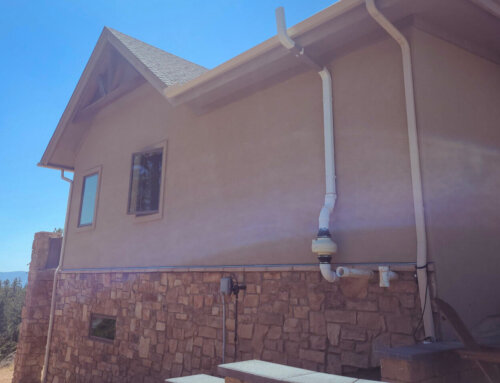
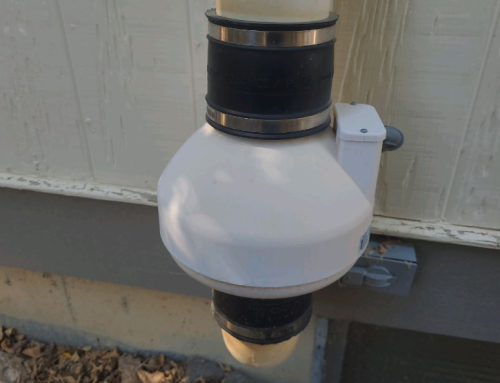
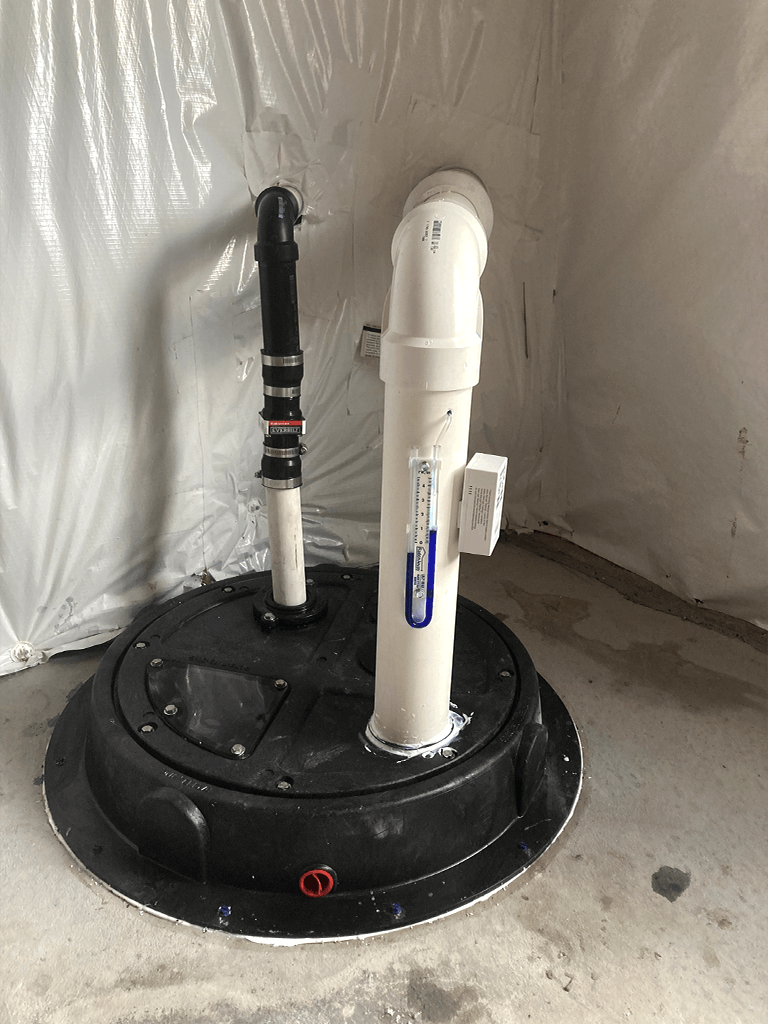
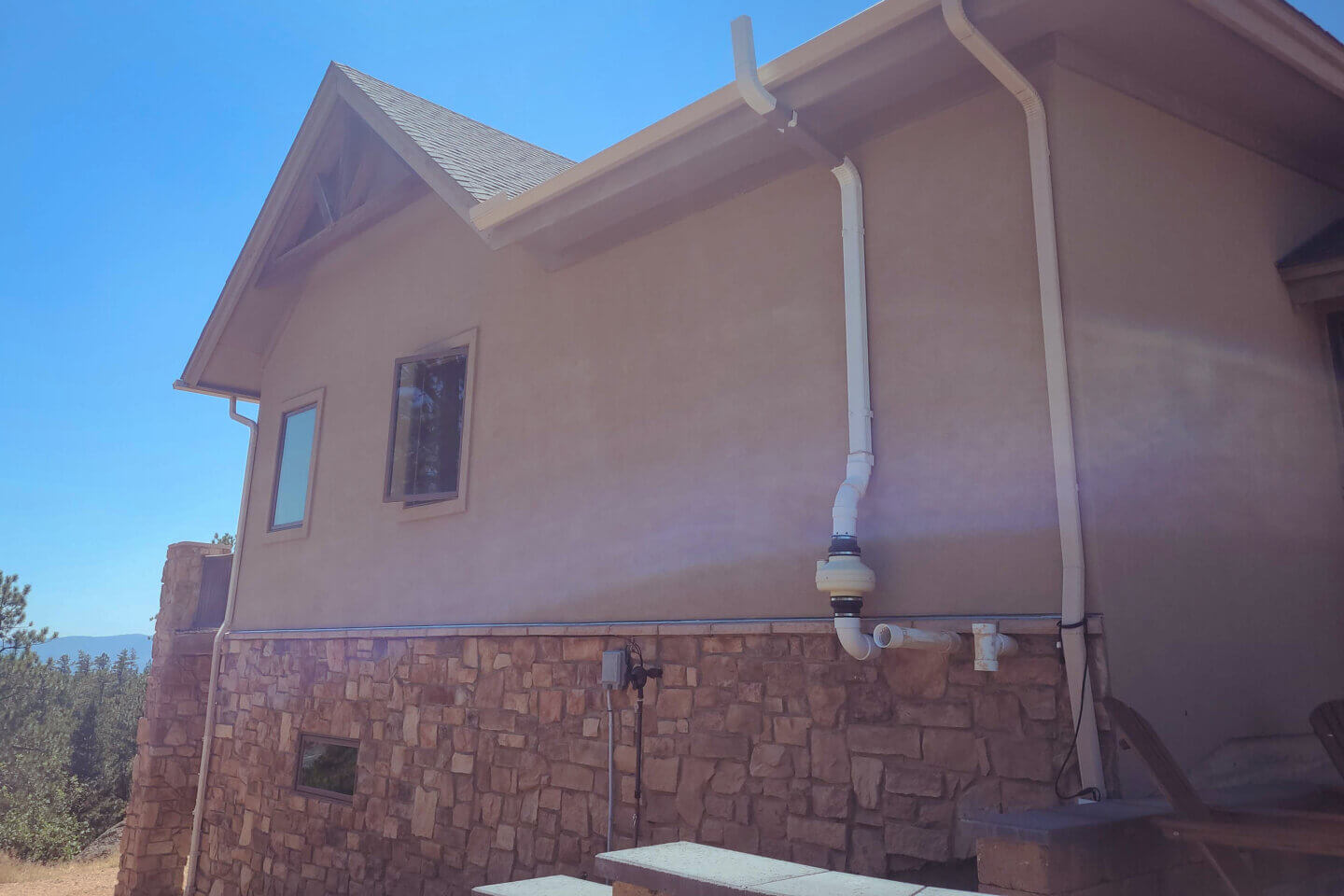
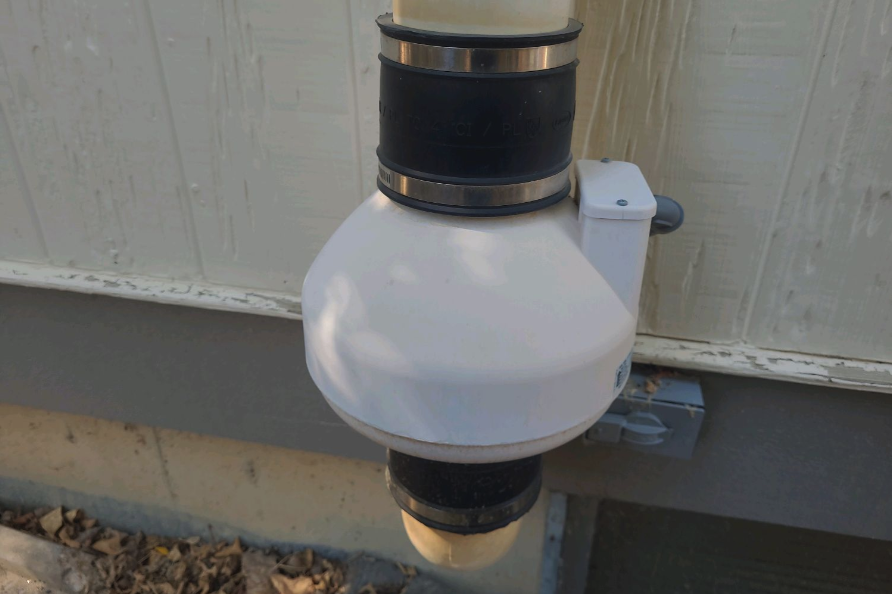
A radon mitigation system like this removes elevated radon levels, protecting homeowners and ensuring peace of mind.
Once completed, results can guide next steps, whether that’s additional testing or simply recording the information for future reference. In this way, radon testing becomes another smart, proactive move in the homebuying journey.
Bottom Line for Homebuyers in Colorado
For homebuyers in Colorado, especially along the Front Range, radon testing is more than just a box to check. It’s a small effort that can have big benefits.
By understanding when and how to test, you’re taking a step toward a safer, healthier home. Think of it as putting on your homebuyer’s superhero cape: quiet, easy, and protective, giving you confidence every step of the way.

Related Articles
If you enjoyed this article, you may be interested in some of our others.