
3 Signs Your Insulation Might Need an Upgrade
Date Published: March 3, 2026
Insulation doesn’t get much attention when people tour a home. Buyers notice kitchens, windows, and views. Insulation usually stays hidden behind drywall and attic hatches. But in Colorado, it quietly does a lot of work every single day.
Below are three common signs your insulation might need an upgrade, and what they usually mean once you own the home.
-
Rooms Feel Cold at Night, Even When the Heat Is On
One of the clearest insulation signs shows up after sunset. The thermostat says the house is warm, but certain rooms still feel chilly. Bedrooms over garages, bonus rooms, and upper floors are common trouble spots.
This happens because insulation slows heat loss. When insulation is thin, missing, or poorly installed, warm air escapes quickly. In Colorado, nighttime temperature drops make this problem more obvious. Heat leaves faster than the system can replace it, so comfort becomes uneven.
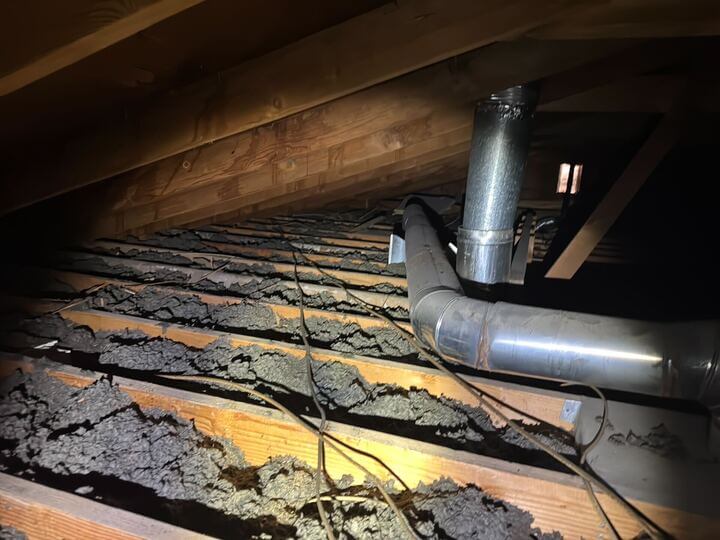
Thin or uneven insulation allows heat to escape quickly, especially during Colorado’s cold nights. Insufficient coverage often leads to cold rooms and higher heating costs.
Both older and newer homes can have this issue. Older homes may have settled insulation or outdated materials. Newer homes can have gaps or missed areas. Insulation quality matters just as much as its age.
For homeowners, this often means adjusting the thermostat more than expected. It can also lead to space heaters, which add cost and safety concerns. Over time, the house feels harder to keep comfortable, even though the furnace is working.
-
Energy Bills Are Higher Than Expected for the Home Size
Another sign shows up in the monthly budget. If heating bills feel high for the size of the home, insulation may be part of the reason. Poor insulation lets heat escape, so systems run longer and more often.
This matters in Denver, Fort Collins, and Boulder because heating seasons are long. Cold snaps are common, and nights stay cold even after warm days. Insulation helps homes hold onto heat during those swings.
Buyers sometimes assume high bills come from older furnaces or rising utility rates. Those factors matter, but insulation plays a big role. Even an efficient heating system struggles when warm air leaks out.
Insulation issues can also affect summer cooling, though usually to a lesser degree here. Hot daytime air can enter the home through under-insulated attics or walls. That forces air conditioning to work harder during peak hours.
Over time, higher energy use adds up. Insulation upgrades and routine energy checks often reduce heating cycles and improve overall efficiency. That’s why it is closely tied to long-term ownership costs, not just comfort.
-
Drafts, Cold Floors, or Big Temperature Differences Between Levels
Drafts are another common clue. You might feel cold air near baseboards or attic access points. Some rooms may feel fine, while others stay noticeably cooler.
These issues often point to insulation gaps or air leakage. Insulation works best when it forms a continuous barrier. Missing sections allow cold air in and warm air out, especially during wind and overnight temperature drops.
Floors over garages are a frequent problem area. Garages are usually unheated, so cold air rises into rooms above when insulation is lacking. Attics are another key area, because heat naturally rises and escapes upward.
Different types show up in these situations. Fiberglass batts can sag or compress over time. Blown-in insulation can settle and thin out. Spray foam tends to seal well but isn’t used everywhere.
For homeowners, these comfort issues can feel frustrating. You heat the house, but the warmth doesn’t stay where you want it. That experience often traces back to insulation performance, not just equipment.
Why Insulation Matters More in Colorado Homes
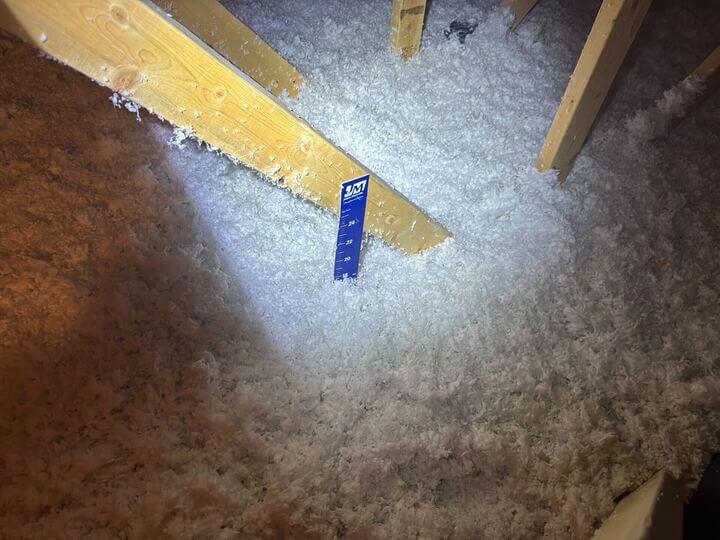
Even, consistent insulation coverage helps maintain steady indoor temperatures, reduce heat loss, and improve overall energy efficiency year-round.
Colorado’s climate puts insulation to the test. Sunny afternoons can feel mild, but nights cool off fast. Insulation helps homes bridge that gap without constant thermostat changes.
Good insulation supports consistent indoor temperatures. It also helps protect pipes, reduces condensation risk, and eases wear on heating systems. These benefits matter whether the home is brand new or decades old.
Buyers often focus on visible features, but insulation affects daily life in quieter ways. Comfort, efficiency, and predictability all improve when the material does its job well. That’s why understanding insulation signs matters early in ownership.
What Homebuyers Keep in Mind
Insulation isn’t always easy to evaluate at a glance. Attics, crawl spaces, and walls hide most of the story. That’s why insulation questions often come up during the inspection process.
When you know the signs, surprises are less likely after move-in. That awareness helps expectations match reality, especially during the first winter, so buyers can make sense of what they’ll experience once the keys are in hand.

Related Articles
If you enjoyed this article, you may be interested in some of our others.