A Guide to Radon and Radon Testing in Colorado
Date Published: February 20, 2026
You can’t see it, smell it, or taste it. These are the qualities that make radon tricky and are what make radon testing so important.
Radon is a naturally occurring radioactive gas that comes from the slow breakdown of uranium in soil and rock. It can build up inside homes without anyone realizing it’s there, quietly becoming a potential health concern over time.
If you’re buying a home in Colorado, radon is one of those things you’ll hear about early and often. That’s not because inspectors or agents are trying to scare you. It’s because radon is common here. Understanding what radon is and how radon testing works can give buyers peace of mind during the real estate transaction.
Why Radon Matters for Colorado Homebuyers
Radon exposure is the second leading cause of lung cancer in the United States, behind smoking. The risk increases with higher radon levels and longer exposure, which is why radon inside a home deserves attention. Since most people spend a significant amount of time indoors, what’s in the air matters.
For homebuyers, radon isn’t a deal-breaker. It’s a data point. Radon is measurable, well-studied, and very manageable when needed. Knowing the radon level in a home allows buyers to move forward with clarity instead of guesswork.
Radon in Colorado: Understanding the Radon Zones
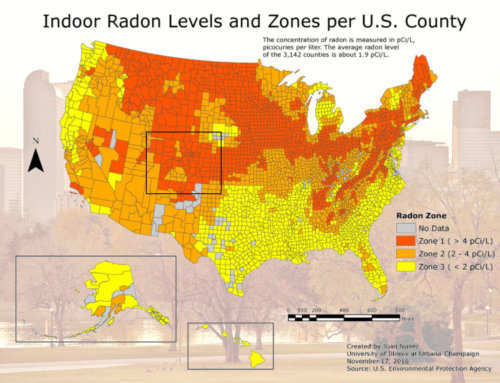
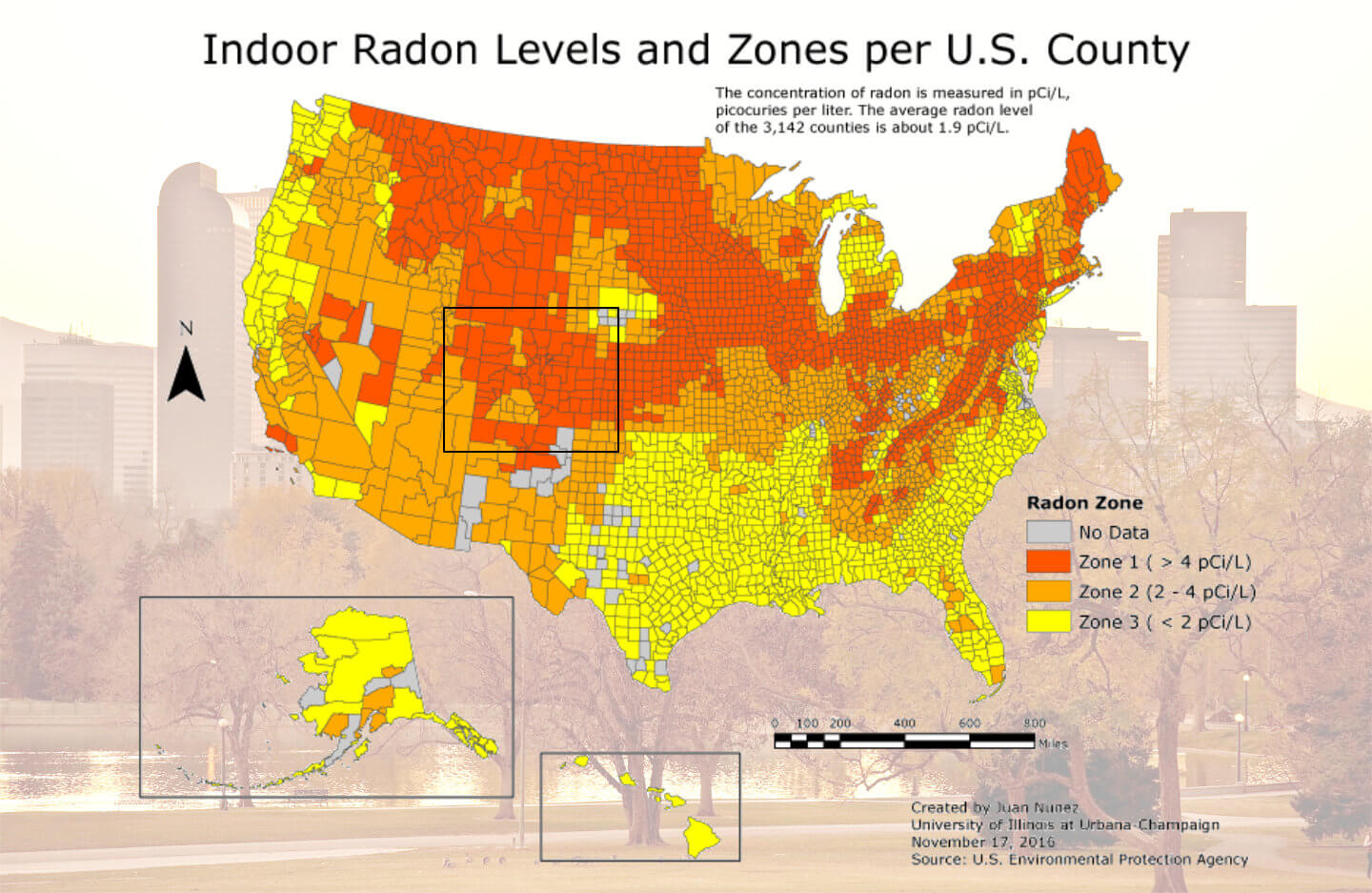
The Environmental Protection Agency (EPA) groups counties into three radon zones based on the likelihood of elevated indoor radon levels. These zones help homeowners and buyers understand overall risk:
- Zone 1 counties have the highest predicted average radon levels (4.0 pCi/L or higher).
- Zone 2 counties have moderate predicted levels
- Zone 3 counties have lower predicted levels.
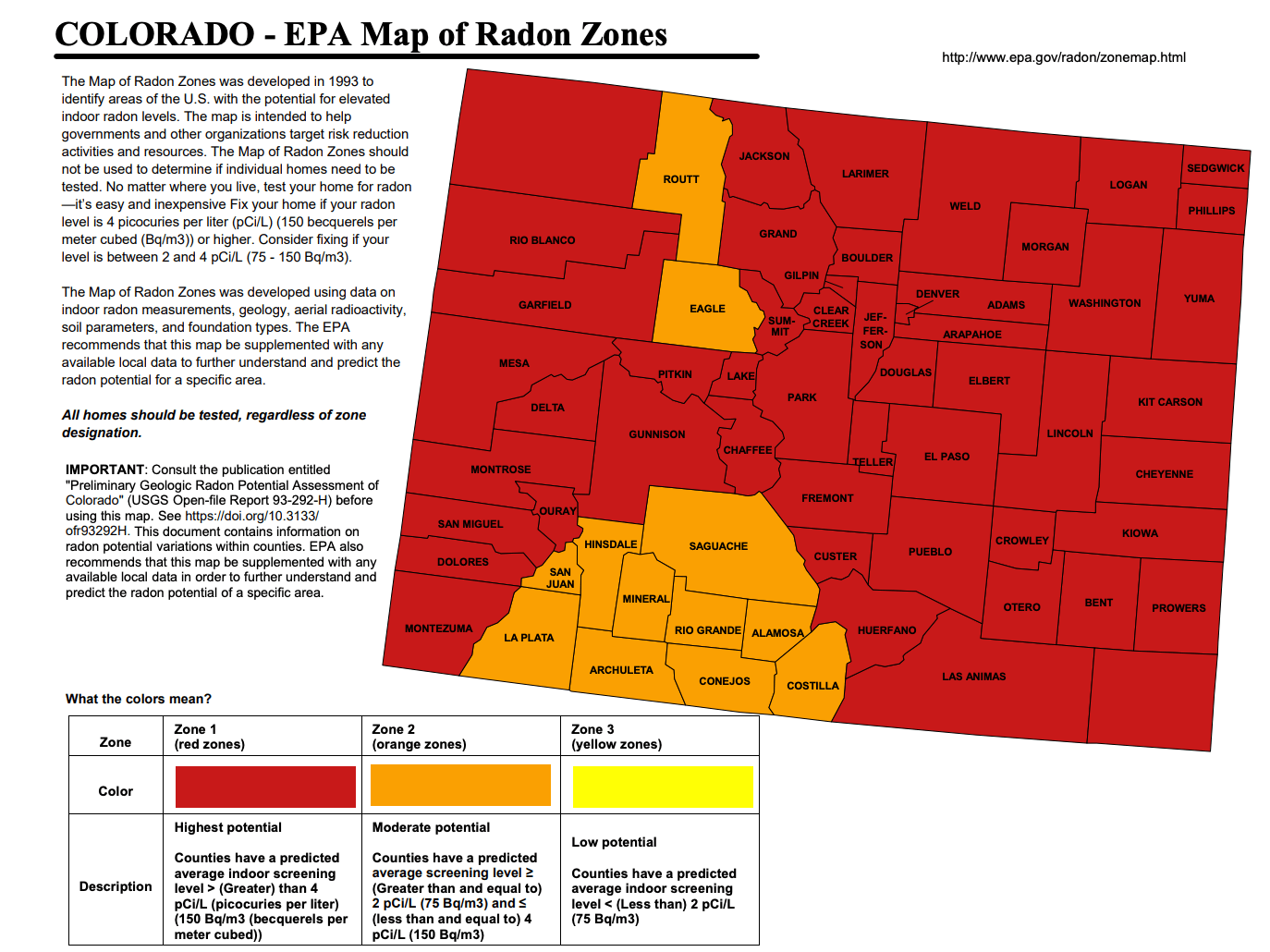
Most of Colorado, especially the Front Range, falls into Zone 1, meaning a high potential for elevated radon levels.
That doesn’t mean every home has high radon, but it does mean testing is especially important here. Two neighboring homes can have very different radon levels, which is why statewide maps offer helpful context.
How Does Radon Get Into a Home?
Radon starts in the soil beneath a house and moves upward. As air pressure inside a home changes, radon gas can be pulled in through small openings like foundation cracks, sump pits, crawlspaces, or utility penetrations. This is normal house behavior, not a construction flaw.
Because radon comes from the ground, any home can be affected regardless of age, size, or how well it’s built. That’s why radon testing is recommended even for newer homes or properties that have tested low in the past.
What Is Radon Testing?
Radon testing measures the concentration of radon gas in the air, usually reported in picocuries per liter (pCi/L). The EPA recommends action if radon levels are 4.0 pCi/L or higher. Think of this number as a decision point, not a pass-or-fail exam.

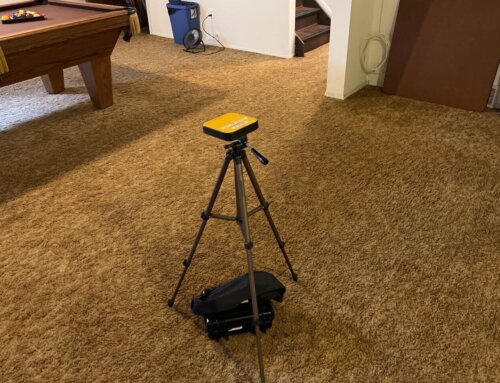
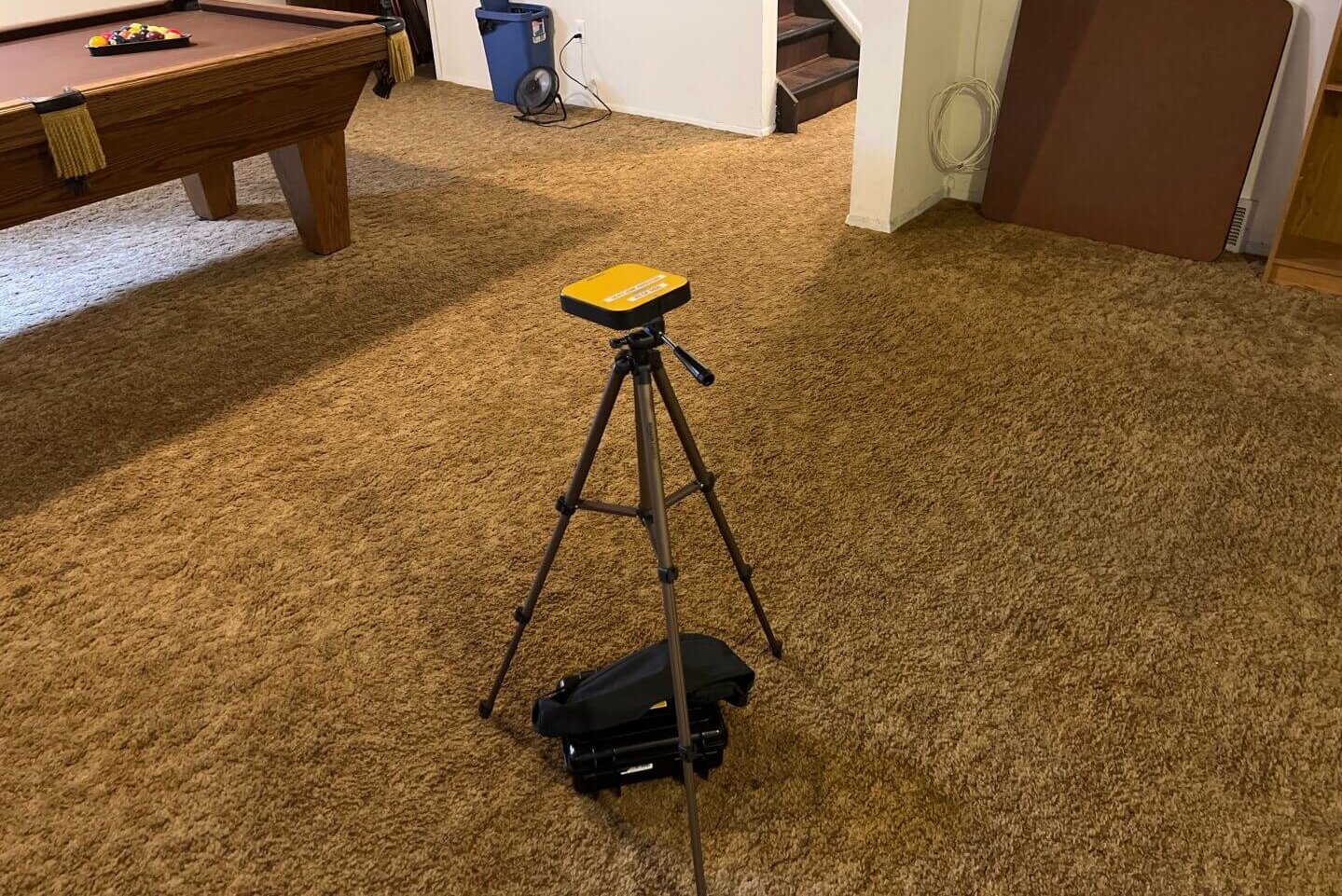
A short-term radon test measures the concentration of radon gas in the air, typically over 48 hours, providing clear data during the home inspection process.
There are two main types of radon testing: short-term and long-term. Both are useful, depending on the situation, and both help answer the same basic question: how much radon is present in the home.
Short-Term vs. Long-Term Radon Testing
Short-term radon tests typically run from 48 hours to 7 days. They provide a quick snapshot of radon levels under normal living conditions.
Long-term radon tests measure radon over 90 days or more. These tests provide a more comprehensive average and are often used by homeowners who want a deeper understanding of radon levels throughout different seasons. Both testing methods work together to create a clearer picture.
What Happens If Radon Levels Are High?
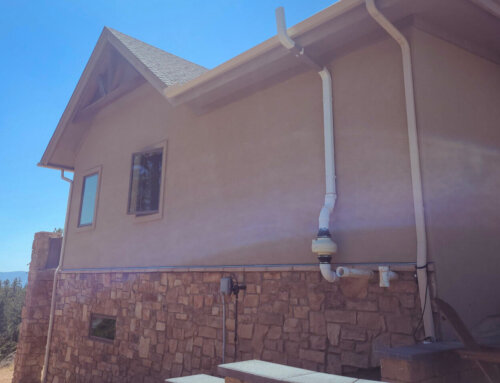
This is where buyers often pause and where a little context helps. Elevated radon levels are very common in Colorado, and they are also fixable. Radon mitigation systems are designed to reduce radon levels by venting the gas safely out of the home.
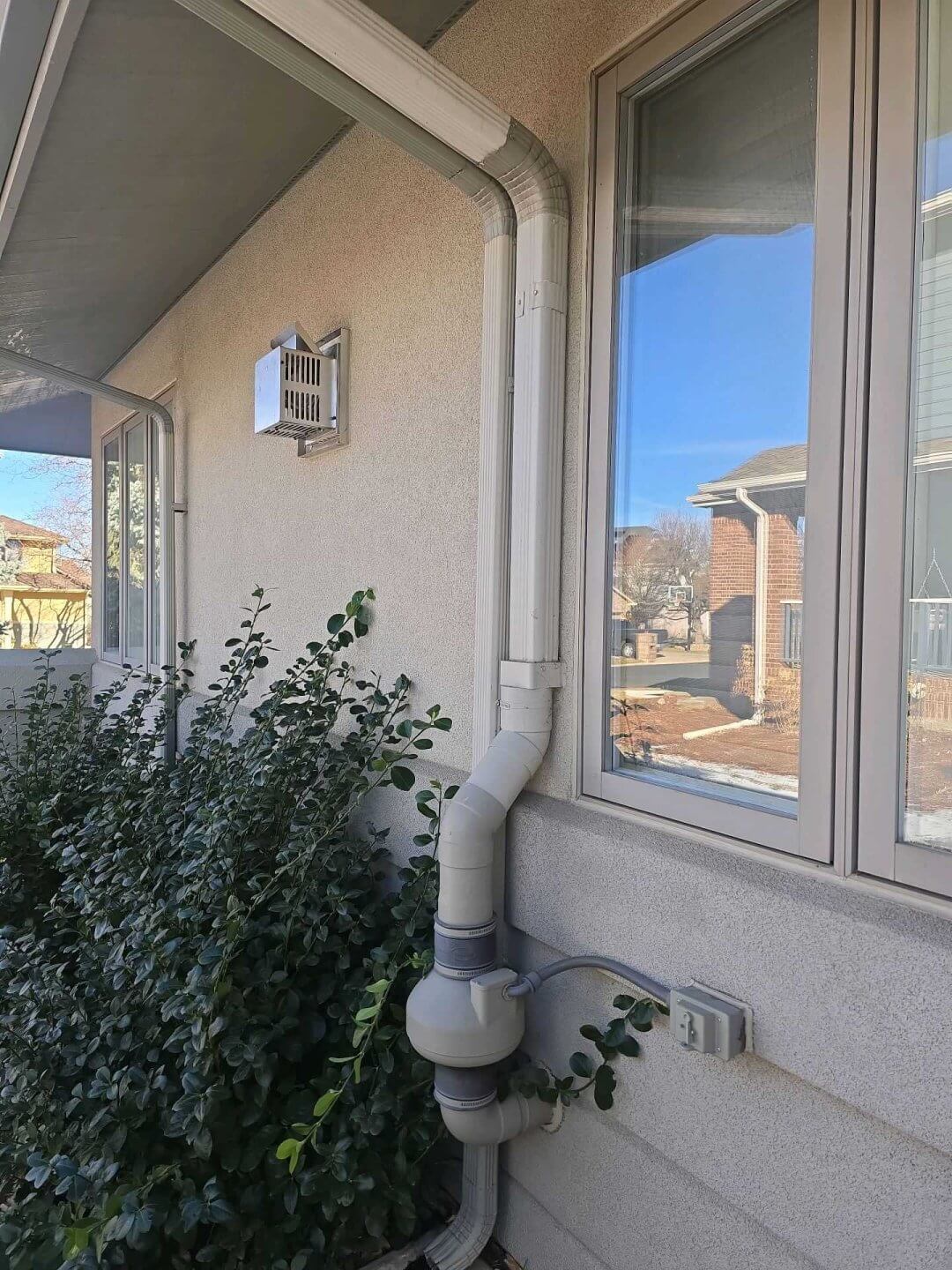
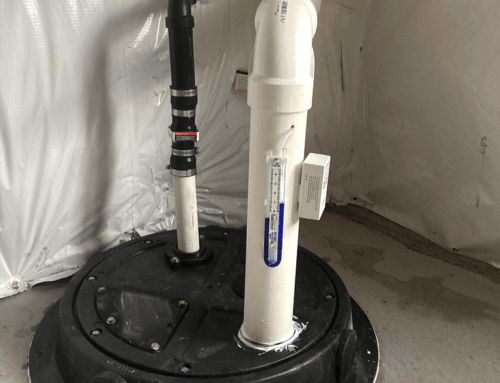
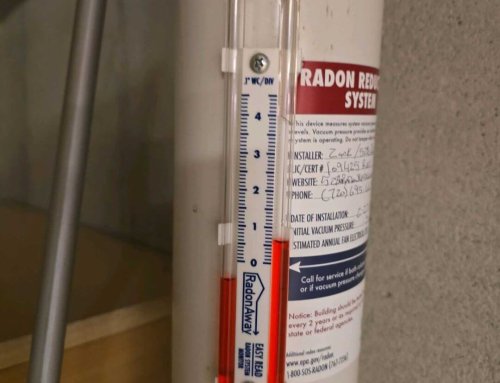
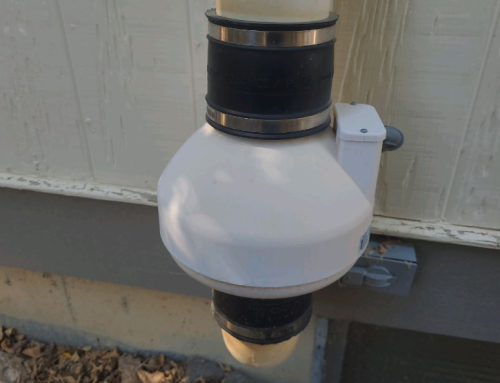
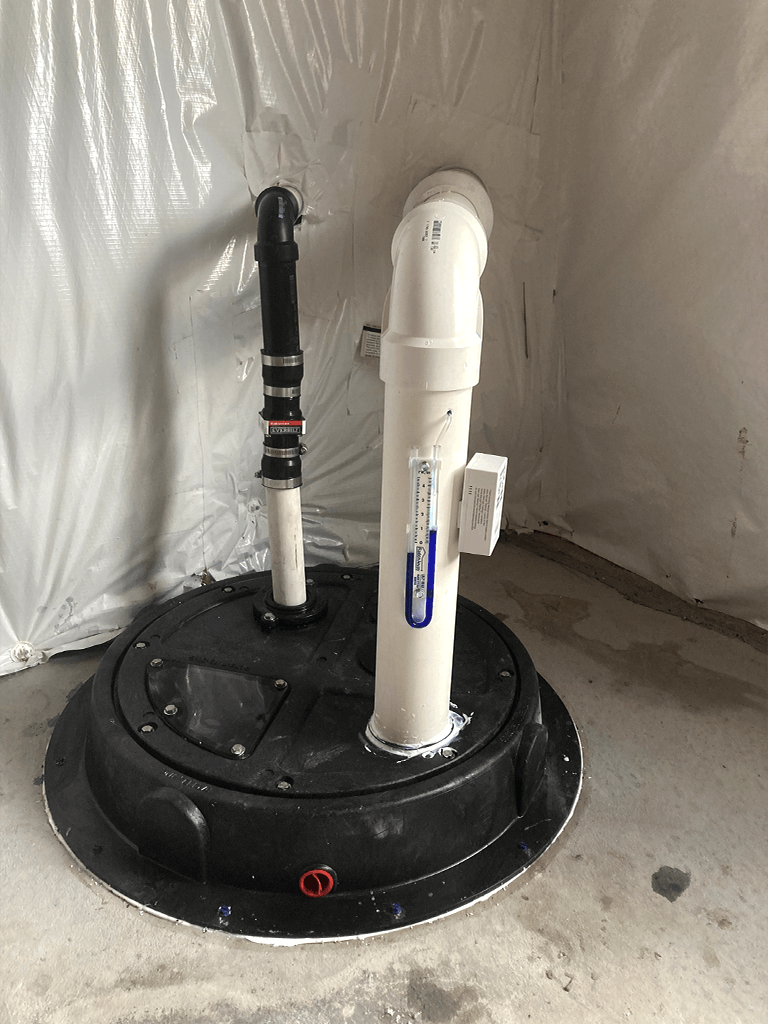
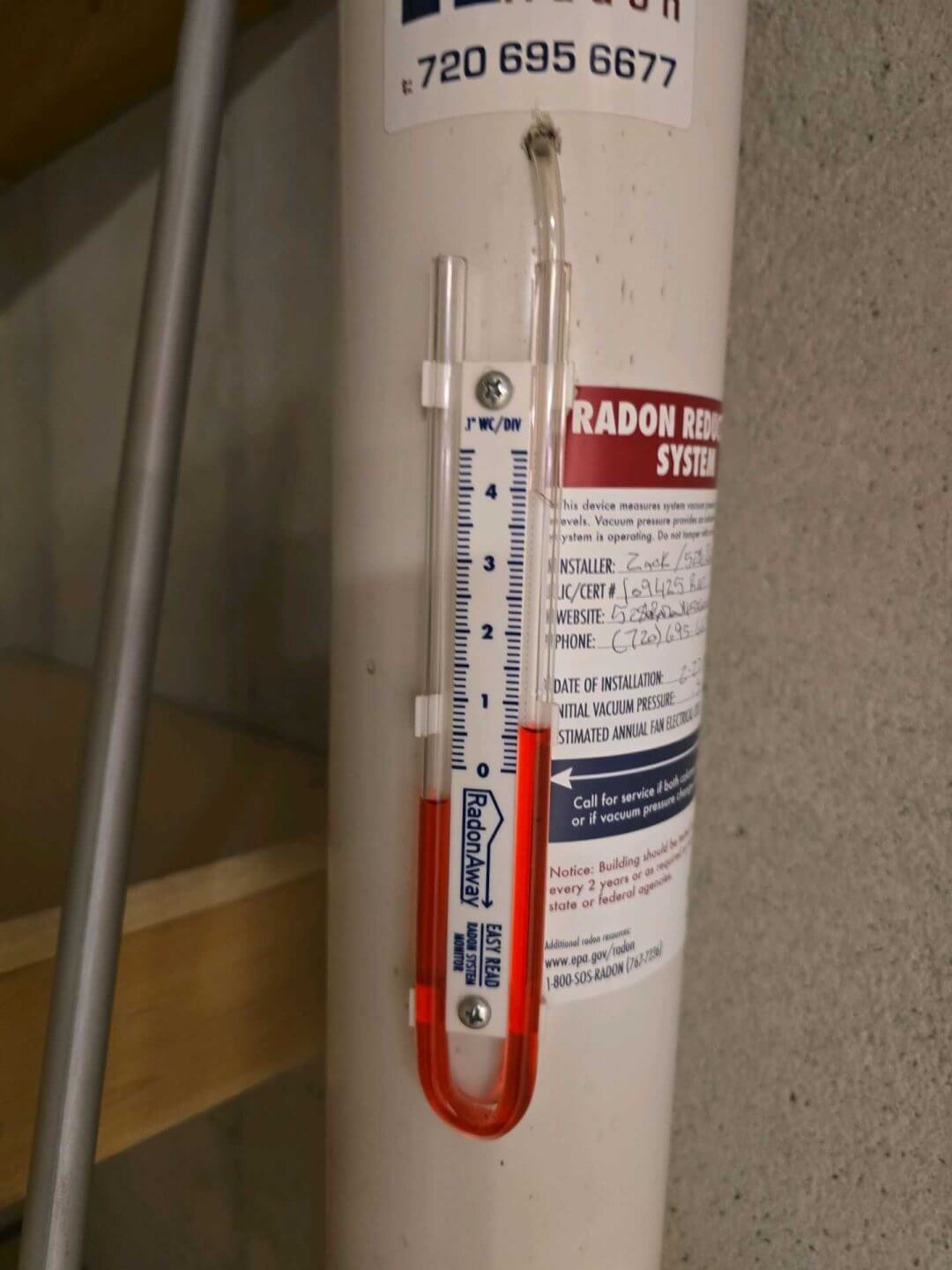
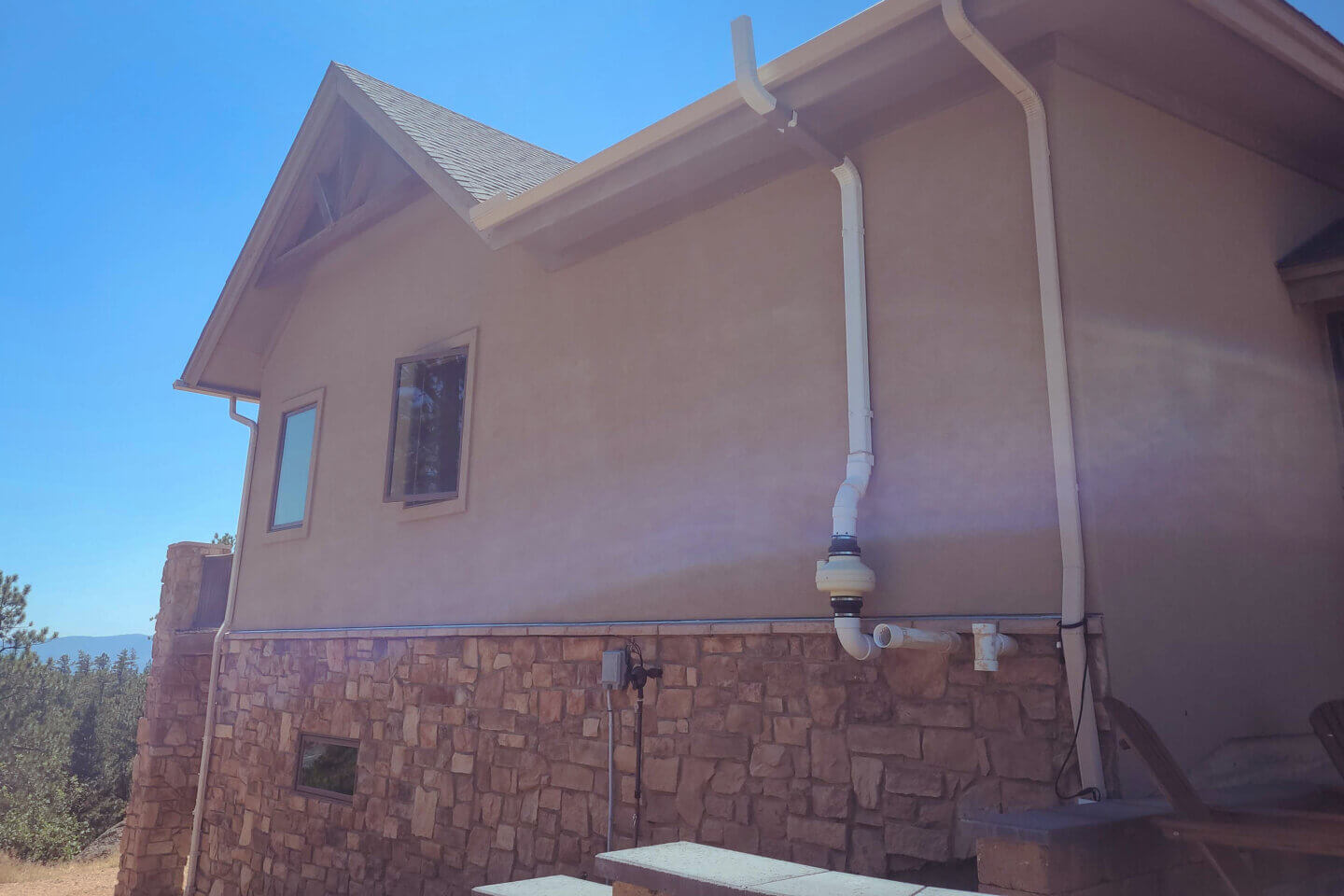
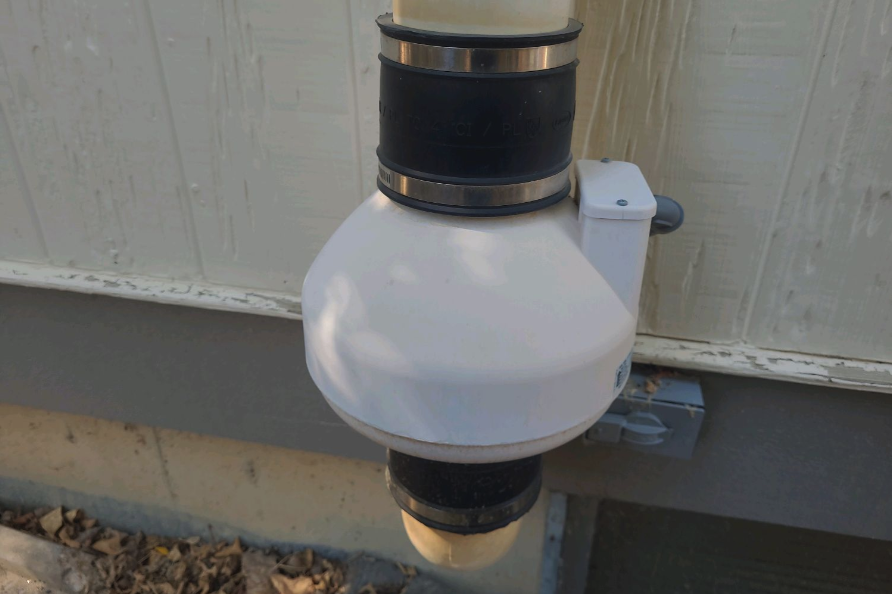
A radon mitigation system typically consists of a fan, venting pipes, a monitoring device, and sealing materials to safely remove radon from a home.
Modern radon mitigation systems are highly effective and typically remove up to 99% of radon from a home. Once installed, they are considered a permanent solution and require little maintenance.
Common Buyer Questions About Radon
Is radon a reason to walk away from a home?
Not usually. Radon is one of the most manageable inspection findings. It can be resolved through negotiation and mitigation.
Can a home test be low now but high later?
Yes. Radon levels can change over time due to weather, home renovations, or changes in ventilation. That’s why home inspectors recommended testing even if a home tested low in the past.
Do new homes have radon?
They can. New construction does not guarantee low radon levels, which is why radon testing is still important.
Why Radon Testing Is So Common in Real Estate
In Colorado, radon testing has become a standard part of the home inspection process. Buyers expect it, agents are familiar with it, and sellers understand that it’s part of responsible homeownership in this region.
When buyers understand what radon is, the process feels far less intimidating. Radon testing provides clear information, supports informed decisions, and helps everyone move forward with confidence.

Related Articles
If you enjoyed this article, you may be interested in some of our others.