How Does Radon Mitigation Work in Colorado?
Date Published: February 10, 2026
</p>
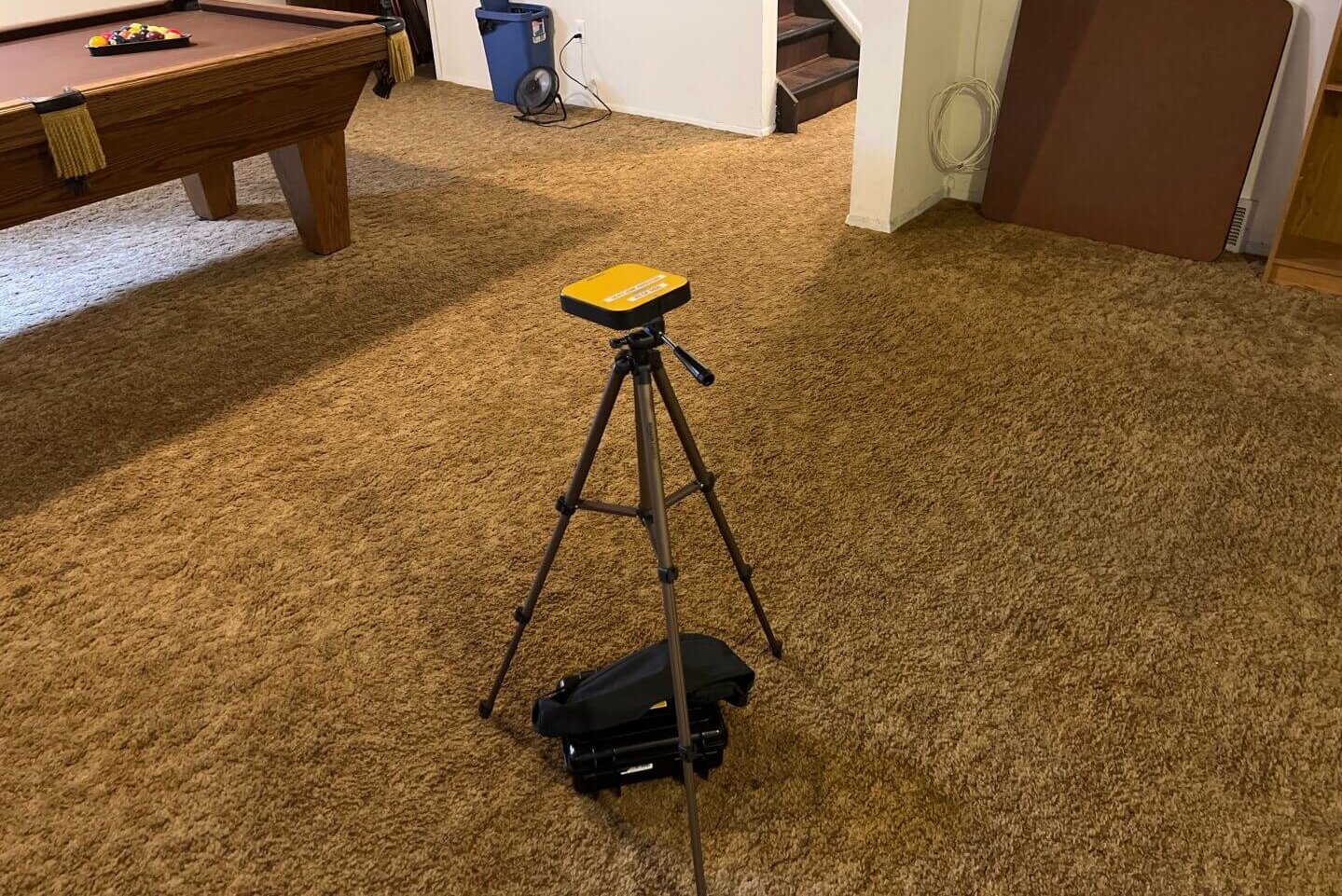
If you’re buying a home in Colorado, there’s a good chance radon mitigation will come up at some point
in the conversation. That’s especially true in areas like Denver, Boulder, and Fort Collins, where elevated radon levels are common due to local soil conditions. The good news is that radon mitigation is a well-understood, highly effective solution and far less intimidating than it sounds. Let’s dive into it.
What Is Radon Mitigation?
Radon mitigation is the process of reducing radon gas levels inside a home by safely redirecting the gas outside. The most common system used in Colorado is called Active Soil Depressurization</a> (ASD). While the name sounds technical, the concept is actually pretty simple.</span></a>
An ASD system works by pulling radon from beneath the home and venting it above the roofline, where it can safely dissipate into the outdoor air. Instead of allowing radon to enter the living space, the system gives it an easier exit route, which is exactly what radon mitigation is designed to do.
Why Radon Mitigation Is So Common in Colorado
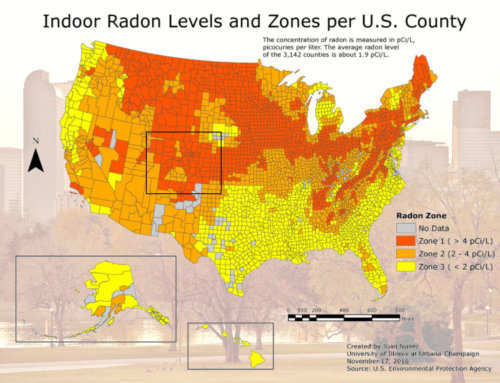
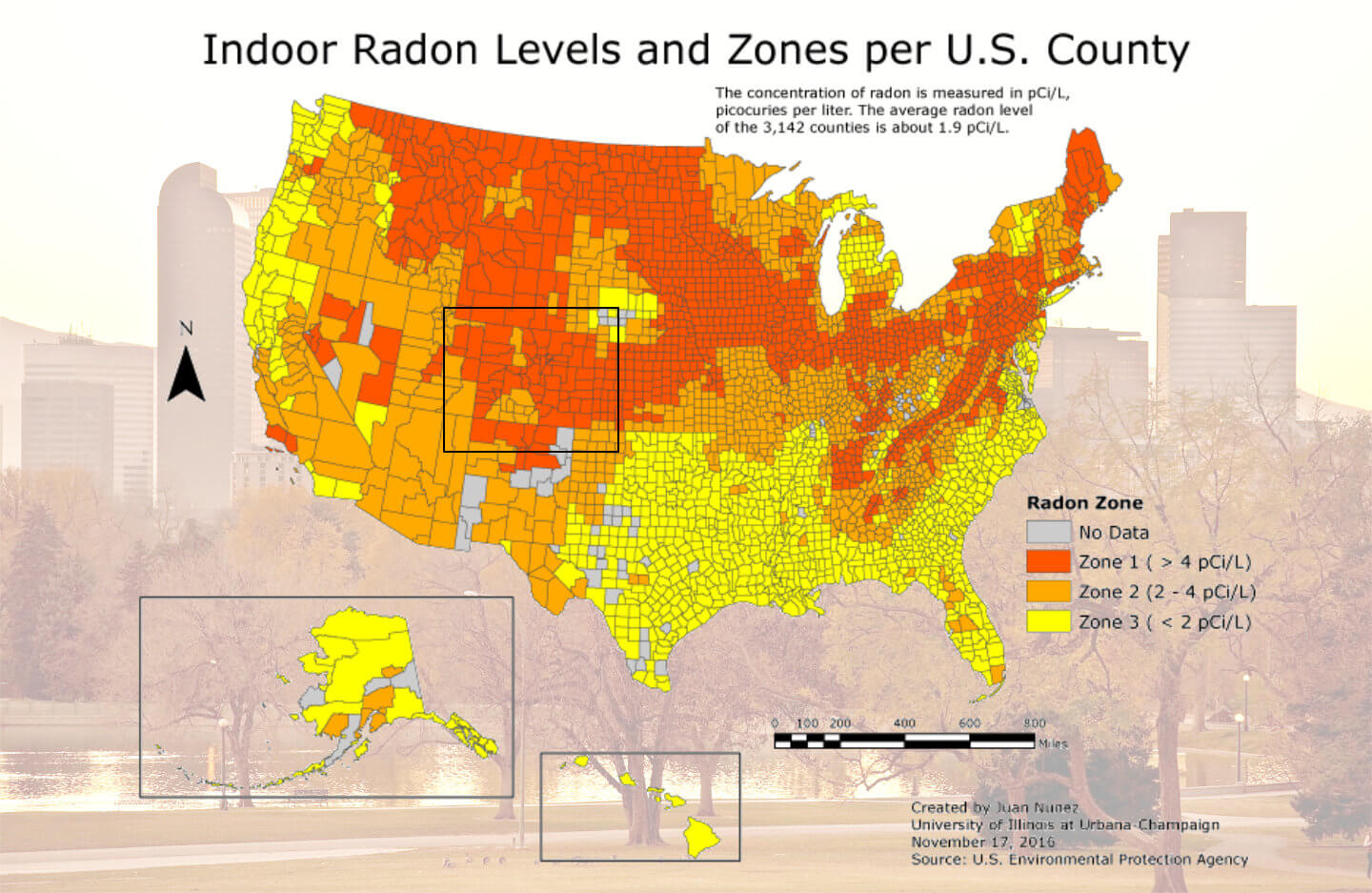
Colorado’s geology plays a big role in why radon mitigation is frequently recommended. Much of the state falls into “https://www.epa.gov/sites/default/files/2014-08/documents/colorado.pdf”>EPA Radon Zone 1, which means homes are more likely to have elevated radon levels. Much of the Front Range sits squarely in this higher-risk category.</span>
That doesn’t mean every home has high radon, but it does mean
mitigation systems are a normal and familiar sight. In some neighborhoods, they’re as common as sump pumps or air conditioning units, which helps put the conversation into perspective for buyers.
What Does a Radon Mitigation System Look Like?
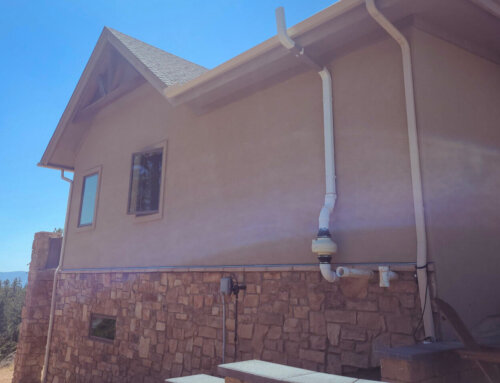
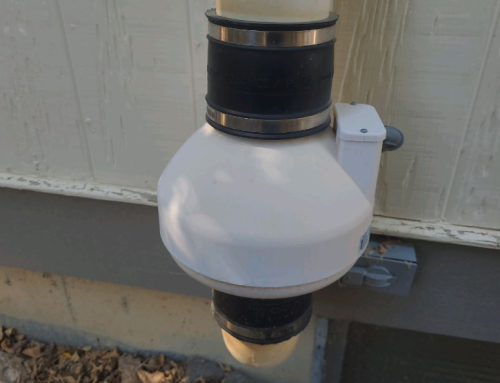
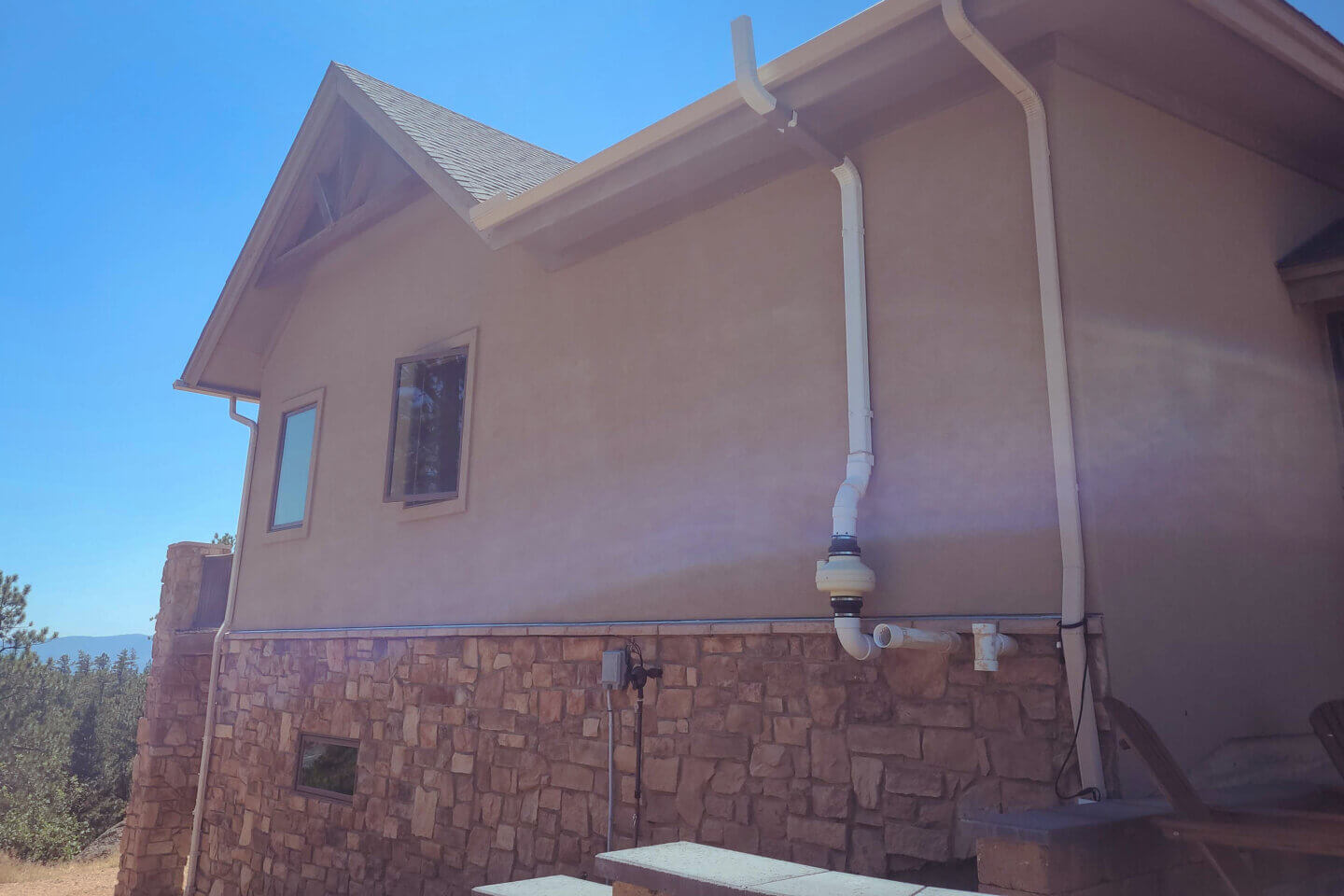
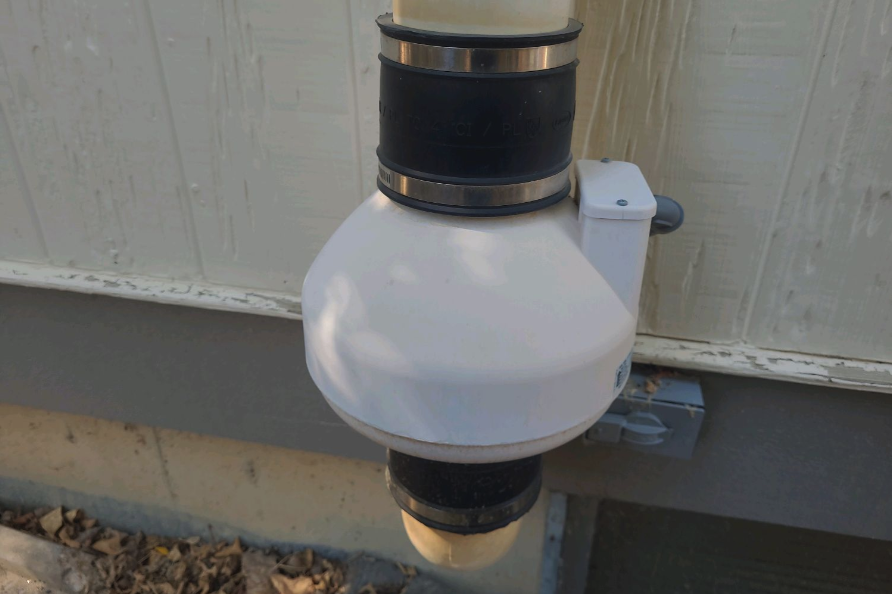
Most radon mitigation systems are low-profile and designed to blend in with the home. At a high level, the system includes PVC piping, a continuously running fan, and a discharge point above the roofline. The fan creates suction that draws radon gas out from beneath the foundation.

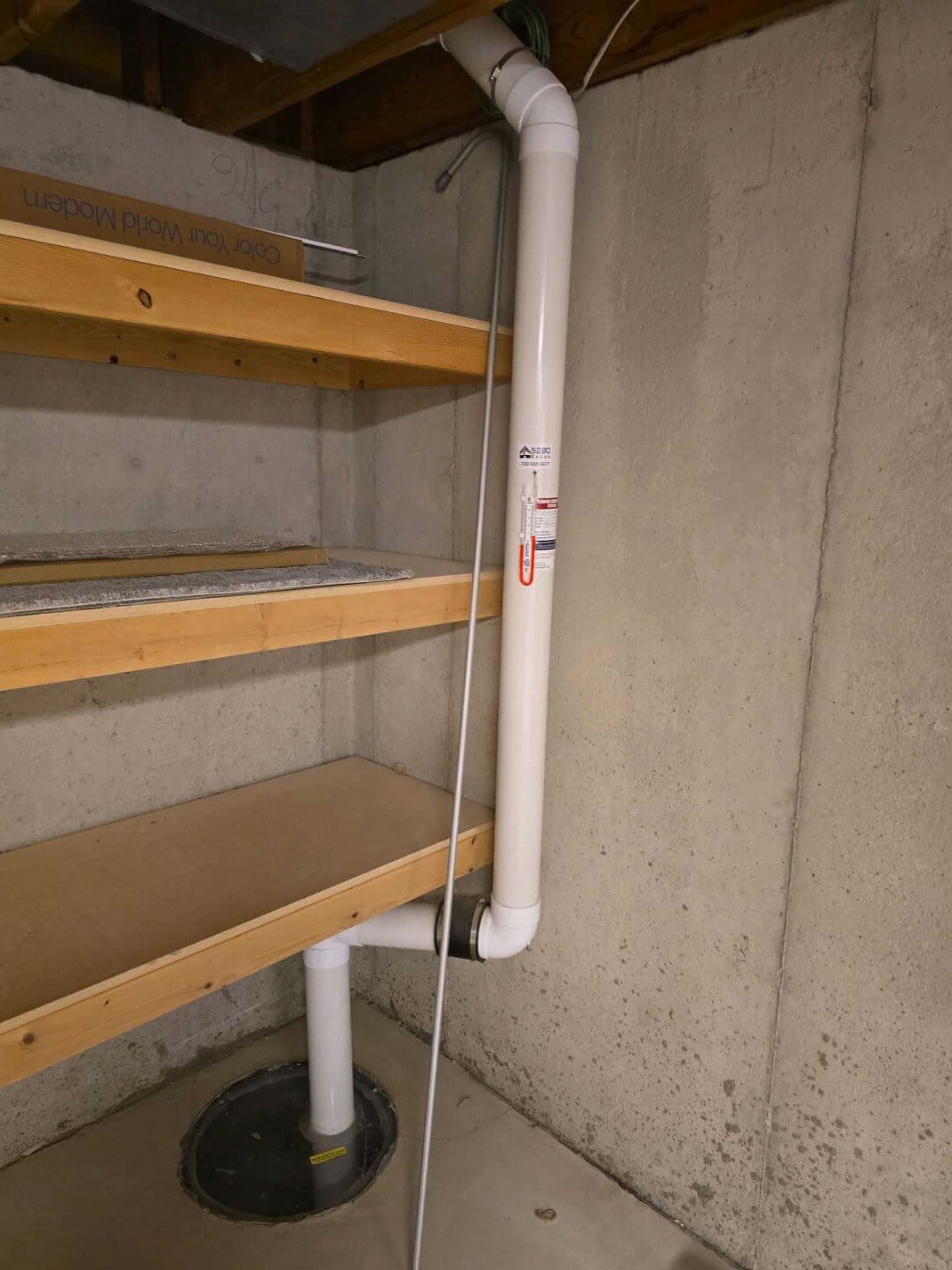
A radon mitigation system is a network of pipes running from under your foundation, up and out of your house, often exiting above the roofline.
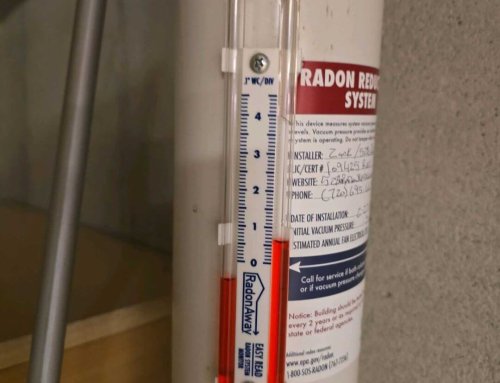
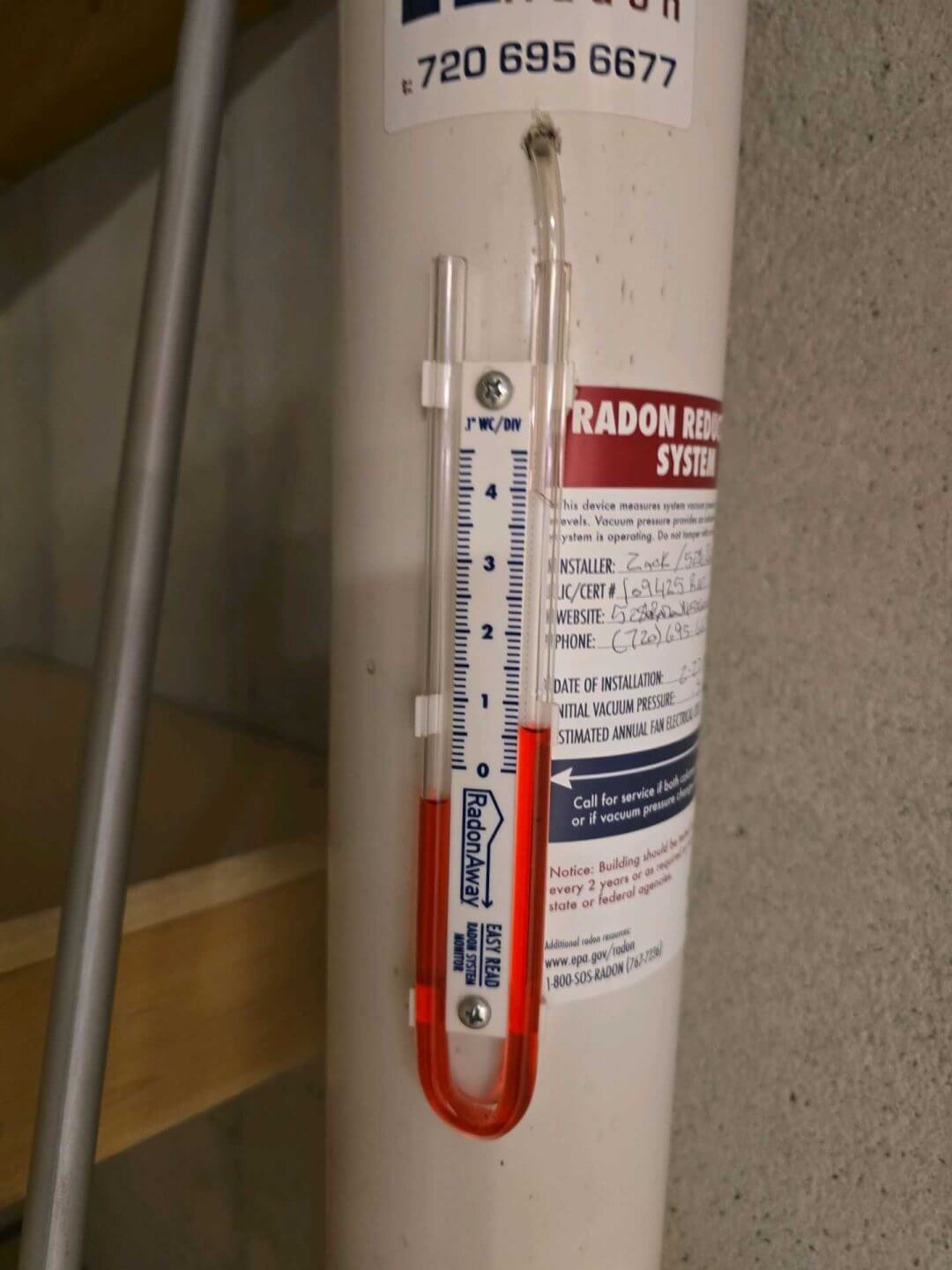
Inside the home, you may see a small gauge called a manometer. It shows the system is working properly. While the components sound mechanical, the overall setup is quiet. That makes for a pleasant surprise for many buyers.
How Is Radon Mitigation Installed?
Radon mitigation is typically installed after a radon test shows elevated levels, often during the inspection or negotiation phase of a real estate transaction. The installation process usually takes one day, and disruption to the home is minimal. In most cases, homeowners don’t need to move out or make major changes.
Installers customize the system based on the home’s foundation type and layout. Whether the home has a basement, crawlspace, or slab-on-grade foundation, mitigation systems are adaptable, which makes them effective across a wide range of home styles.
How Effective Is Radon Mitigation?
One of the most reassuring facts for buyers is how well radon mitigation works. Properly installed systems typically reduce radon levels by up to 99%. That brings readings well below the EPA’s recommended action level of 4.0 pCi/L.
Because the system actively manages radon over time, it’s considered a permanent solution rather than a temporary fix. Once mitigation is in place, homeowners can feel confident that radon levels are being consistently controlled.
Radon Mitigation Costs in Colorado
Radon mitigation costs in Colorado generally fall within a predictable range. For most homes, buyers can expect mitigation to cost between $1,200 and $2,500, depending on the home’s size, foundation type, and system design.
tyle=”font-weight: 400;”>Compared to many other home-related expenses, radon mitigation is relatively affordable and often negotiated as part of the real estate transaction. Understanding the cost upfront helps buyers keep the finding in perspective and move forward with confidence.</p>
New Construction vs. Existing Homes
“font-weight: 400;”>Radon doesn’t discriminate based on a home’s age. New construc
tion homes can have elevated radon levels just like older homes, which is why testing is recommended regardless of when a home was built.
Some newer homes include passive radon systems, which can often be upgraded to active systems if needed. Existing homes may require a full mitigation system. Note that both scenarios rely on the same proven principles to reduce radon effectively.
Maintenance and Monitoring After Installation
One of the biggest benefits of radon mitigation is how style=”font-weight: 400;”>little maintenance<span style=”font-weight: 400;”> it requires. Once installed, the system runs continuously with minimal homeowner involvement. Periodic visual checks of the manometer are usually all that’s needed.
style=”font-weight: 400;”>Many homeowners choose to “font-weight: 400;”>retest radon levels> every few years or after major renovations. This simple step helps ensure the system continues to perform as intended.
The Bottom Line</b></b>
<p>Experienced agents often describe radon mitigation as a standard Colorado solution to a common Colorado condition. Framing it this way helps buyers understand that mitigation isn’t unusual. It’s responsible for homeownership in this region.</span>
When buyers see mitigation as a solved problem with a proven solution, the conversation becomes calmer and more productive. Clear information leads to informed decisions, which is exactly the role radon mitigation plays in the homebuying process.

Related Articles
If you enjoyed this article, you may be interested in some of our others.