
Why Do I Have Squeaky Floors (And What Can I Do About It?)
Date Published: November 12, 2025
You’re walking through your new home, coffee in hand, when creeeak—the floorboard lets out that familiar protest. It’s a small sound, but it can make even the newest homeowner wonder: Is something wrong with my floor?
The good news? In most cases, squeaky floors are more of an annoyance than a serious issue. Still, those creaks can tell you something about how your home was built and how Colorado’s climate plays a part.
What Causes Squeaky Floors?
Squeaky floors can be caused by wood movement. Wood naturally expands and contracts as temperature and humidity levels change. In Colorado, where humidity levels can swing dramatically between seasons, these subtle shifts are common. When boards dry out in winter or swell slightly in summer, gaps can form between floorboards or between the flooring and subfloor. When you walk across those spots, the boards rub together and release that telltale sound.
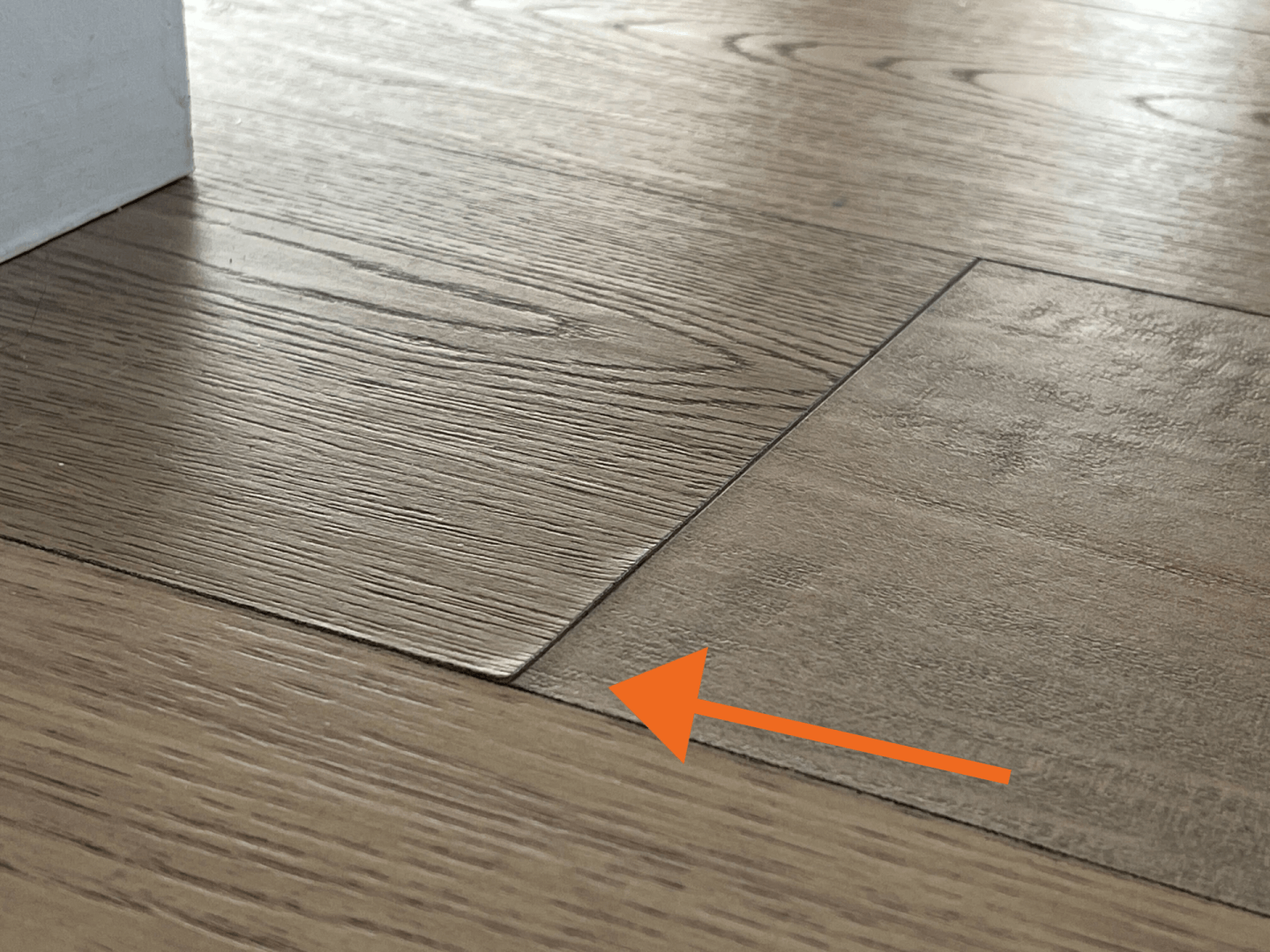
Small gaps between floorboards may seem harmless, but they’re often the reason behind those familiar squeaky floors.
Another common cause is loose fasteners. Over time, nails or screws holding your floorboards in place can loosen, especially in high-traffic areas like hallways or kitchens. When the board moves and the fastener doesn’t, you get friction and friction equals noise.
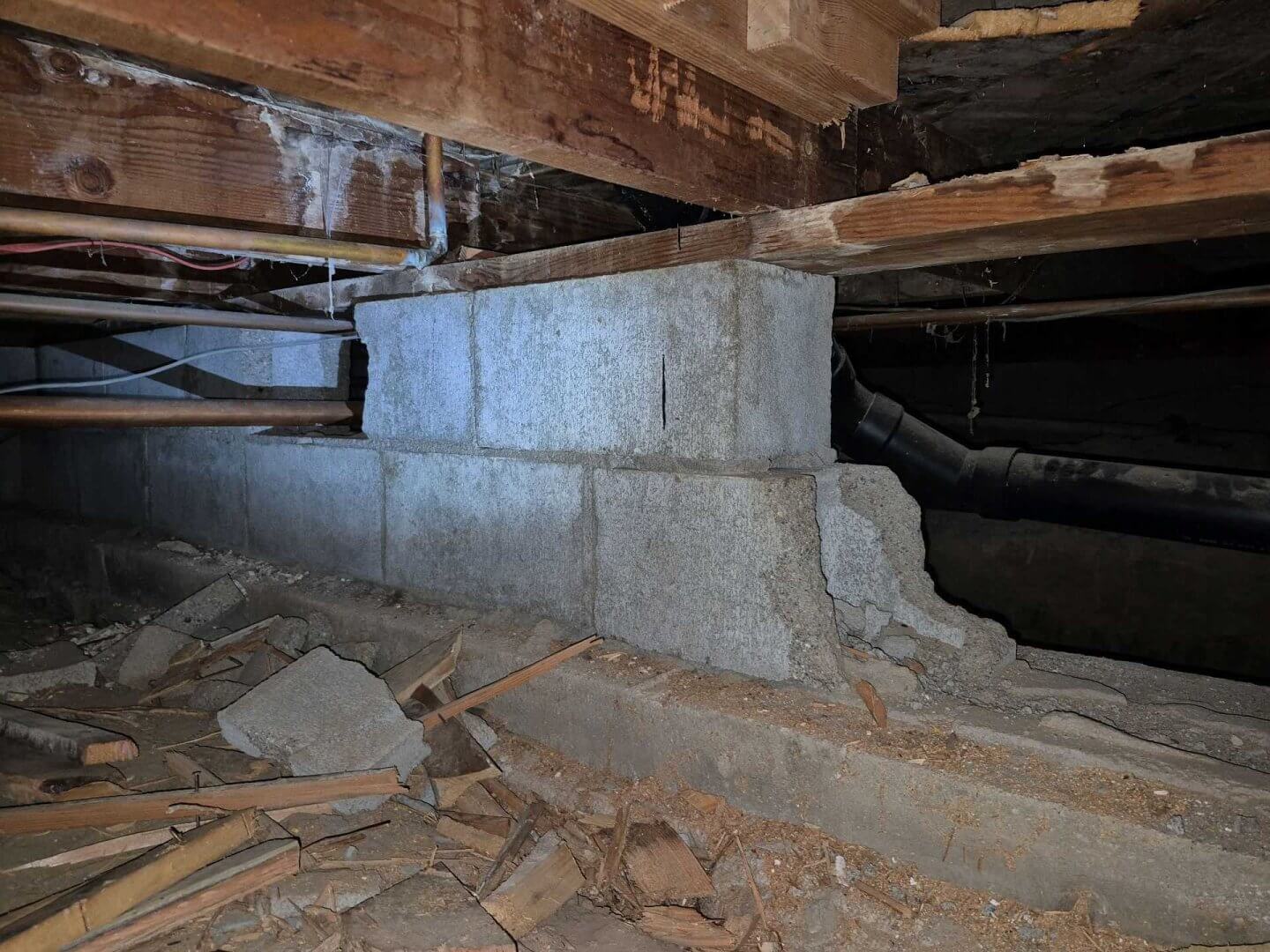
Weak or uneven support beneath your home can cause movement between the floor and joists—one of the hidden culprits behind squeaky floors.
Finally, sometimes it’s simply construction settling. Even newer homes experience small movements in their framing and flooring systems as materials adjust to the local environment. It’s a normal process and not necessarily a sign of structural damage.
Are Certain Floors More Prone to Squeaks?
Yes. Solid hardwood floors tend to squeak more often than engineered wood or laminate, simply because they’re made entirely of wood. Homes built with wide-plank flooring may also creak a bit more than those with narrow planks, since wider boards expand and contract across a larger surface area.
That doesn’t mean something’s wrong with the installation or materials. It’s just the nature of wood reacting to its surroundings, especially in an environment with big temperature swings between day and night.
When Should You Be Concerned?
Most squeaks are harmless, but there are a few times when it’s worth taking a closer look. If you notice squeaking combined with visible gaps, sagging sections, or uneven flooring, it could indicate that the subfloor has separated from the joists beneath it. In rare cases, this can point to moisture issues, poor fastening, or structural settling that’s more than cosmetic.
For homebuyers, the key is to note where and when the squeaks occur. Consistent creaking across multiple rooms may be worth mentioning during an inspection, but an isolated squeak in an older home isn’t usually cause for alarm. A thorough home inspection can tell you whether it’s just wood movement or something that needs repair.
Simple Fixes You Can Try
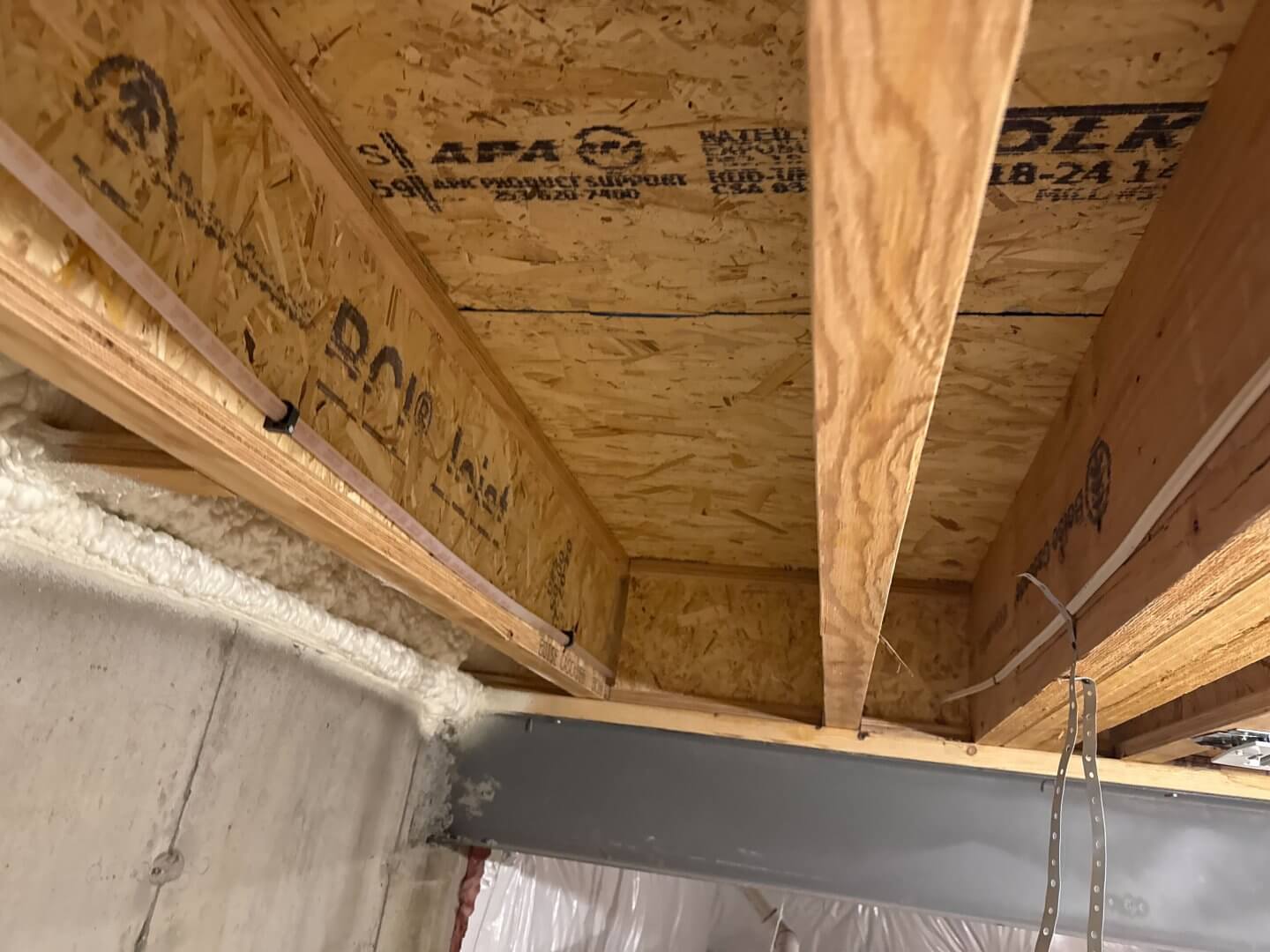
If you have basement or crawlspace access, you can often pinpoint and repair squeaky floors from below by tightening the subfloor to the joists.
If the squeak is driving you crazy, there are a few easy fixes you can try—no major renovation required.
-
Lubricate the seams: Sprinkle a little powdered graphite or talcum powder between the floorboards, then step back and forth over the area to work it into the gaps. This helps reduce friction between boards.
-
Tighten from below (if you have access): In unfinished basements or crawlspace, you can often pinpoint the squeak from below and add a short screw or wood shim to secure the subfloor to the joist.
-
Use squeak-repair kits: Several hardware stores sell screw systems designed for squeaky floors. They let you tighten boards from above without damaging the surface.
These small tweaks often quiet the noise completely. But even if they don’t, remember: a squeaky floor isn’t a broken floor. It’s just wood doing what wood does.
A Little Character Never Hurts
In a way, squeaky floors tell a story. They creak where families gather, where kids race down hallways, where life happens. Especially in Colorado’s distinct climate, a bit of floor squeaking is almost inevitable.
So, while those creaks might make you pause, they rarely signal a real problem. Think of them as part of your home’s personality, an audible reminder that your house is made of living materials adapting to the world around it.

Related Articles
If you enjoyed this article, you may be interested in some of our others.