Denver’s New $5,000 Rental License Fines: What Real Estate Pros Need to Know in 2025
Date Published: December 9, 2025
Denver’s rental licensing rules are getting an update and the fines are getting a lot steeper. In late 2025, city officials approved an increase to the maximum penalty for unlicensed rentals, raising the fine from $999 to $5,000 per violation.
For buyers considering a rental property and for agents helping them navigate the process, understanding what changed is more important than ever.
Why Denver Increased the Rental License Fine
Denver launched its residential rental license program in 2023 to ensure all rental units meet basic health and safety standards. But according to the Department of Licensing and Consumer Protection (DLCP), some landlords treated the old $999 fine as a manageable business expense instead of fixing issues like faulty heating, plumbing leaks, mold, or missing safety devices.
Only 24 landlords had ever received the previous maximum penalty, and the city found the fine wasn’t enough to encourage compliance in the small number of cases where owners avoided repairs.
By increasing the maximum fine to $5,000 per violation, Denver aims to give the program more teeth and keep unsafe rentals from slipping through the cracks—something that ultimately benefits renters and future property owners.
What This Means for Buyers
If you’re purchasing a home you plan to rent or buying a multi-unit property with tenants already in place, licensing should be part of your early due diligence.
A licensed rental property has:
- Passed a third-party health and safety inspection
- Met the city’s basic habitability requirements
- Completed the legal steps needed to be rented
For buyers, this means fewer surprises after closing and a clearer idea of repairs or upgrades to budget for. Properties that already hold a valid license typically offer a smoother first year of ownership because any major safety concerns have already been documented.
Can you spot the safety concern with this fire extinguisher? I’ll give you a second. It’s expired meaning the contents are unlikely to discharge properly.
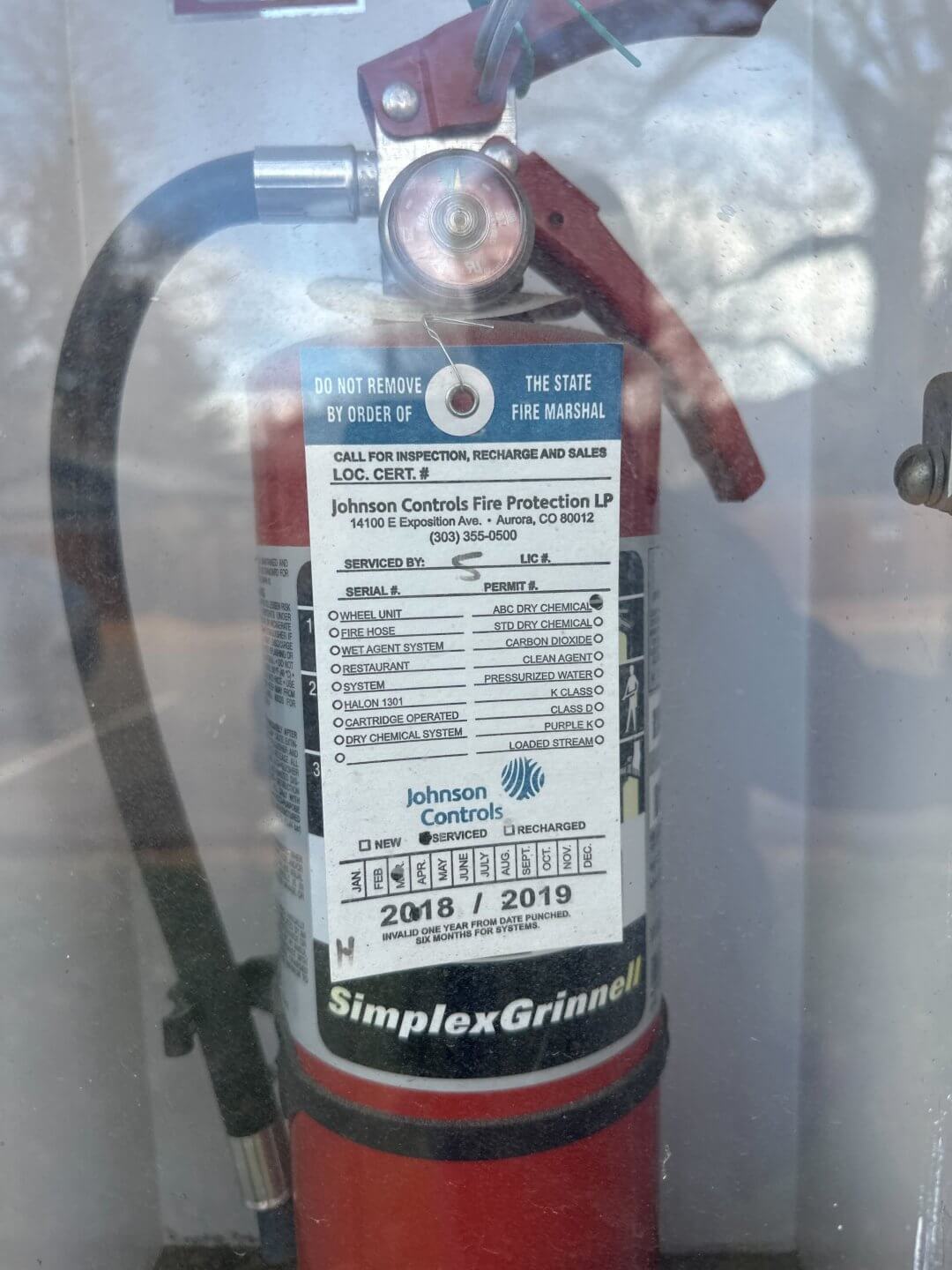
Can you spot the safety concern with this fire extinguisher? I’ll give you a second. It’s expired meaning the contents are unlikely to discharge properly.
Buying an unlicensed property isn’t a dealbreaker, but it may mean inheriting deferred maintenance or a failed inspection that never got resolved. And while fines follow the current owner, the property still must pass inspection before it can be legally rented, something that can affect your timeline and renovation planning.
Why Real Estate Agents Are Sharing This Update With Buyers
Agents working with investors or house-hackers are paying close attention to this change. The higher fine reflects Denver’s continued push for safe, well-maintained rental housing, and the licensing rules often come up when discussing long-term value and expected upkeep.
By getting ahead of the requirements, agents help buyers avoid last-minute surprises and give them a clearer picture of what it takes to operate a rental in Denver.
How to Check if a Property Has a Rental License
The city’s online business license database makes it easy to verify whether a property is licensed.
Quick Steps:
- Select Residential rental property
- Enter the property address
- Review the license status and any active records
- This simple check helps buyers and agents spot potential compliance issues early in the process.
Buyer Checklist: What to Review Before Purchasing a Rental Property
1. Verify the current license status
Look up the property to see whether it is licensed or has attempted to apply.
2. Review recent inspection history
Licensed homes have already passed a third-party health and safety inspection. Still, buyers should look closely at major systems like the roof, HVAC, and electrical.
3. Understand why a property might not be licensed
Some owners never applied. Others may have applied and failed inspection, often a sign of deferred maintenance.
4. Identify likely repairs needed to pass inspection
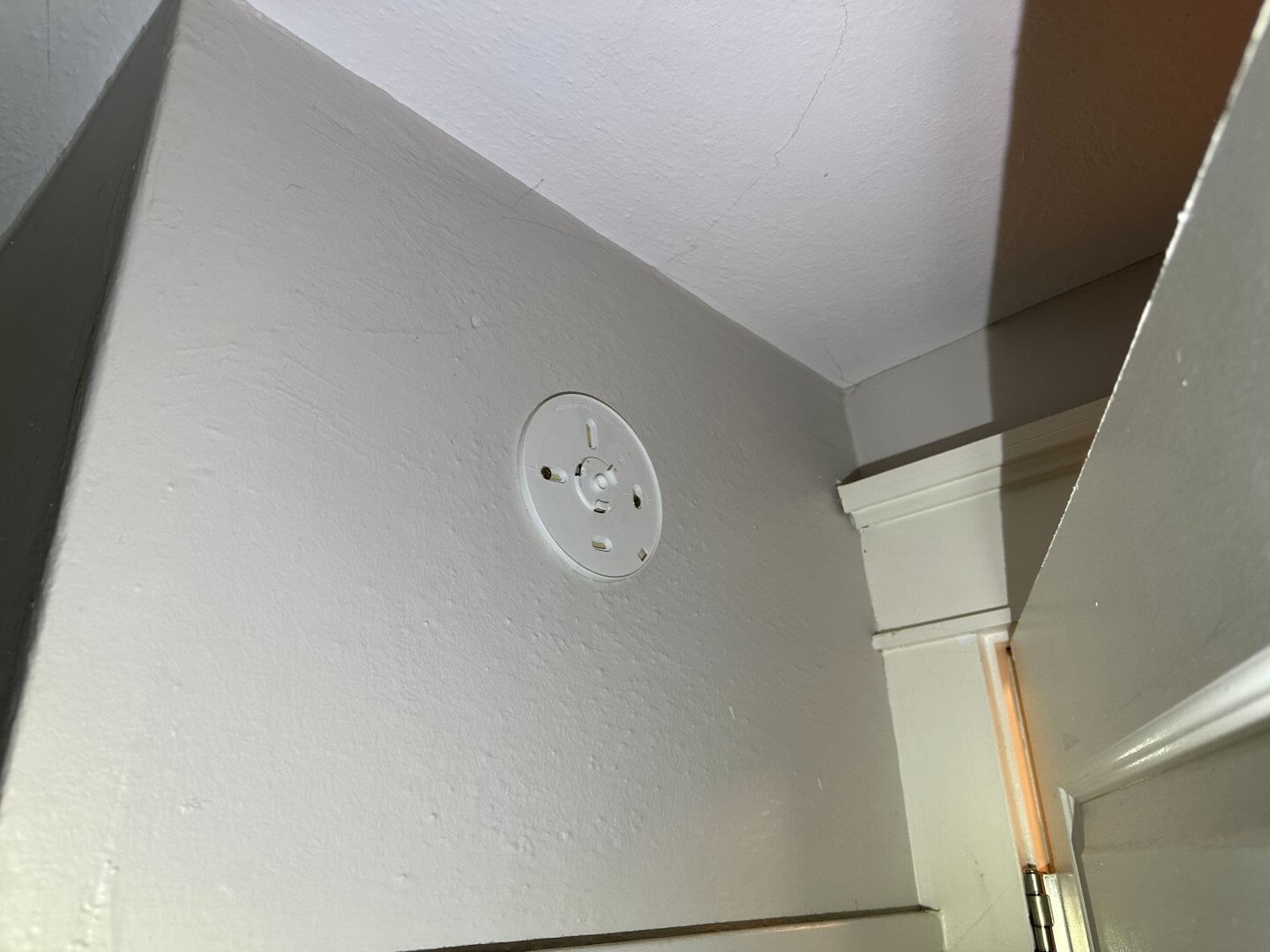
Missing smoke detectors are among the most common (and easiest to fix) findings during rental property inspections.
Missing smoke detectors are among the most common (and easiest to fix) findings during rental property inspections.
- Common issues include:
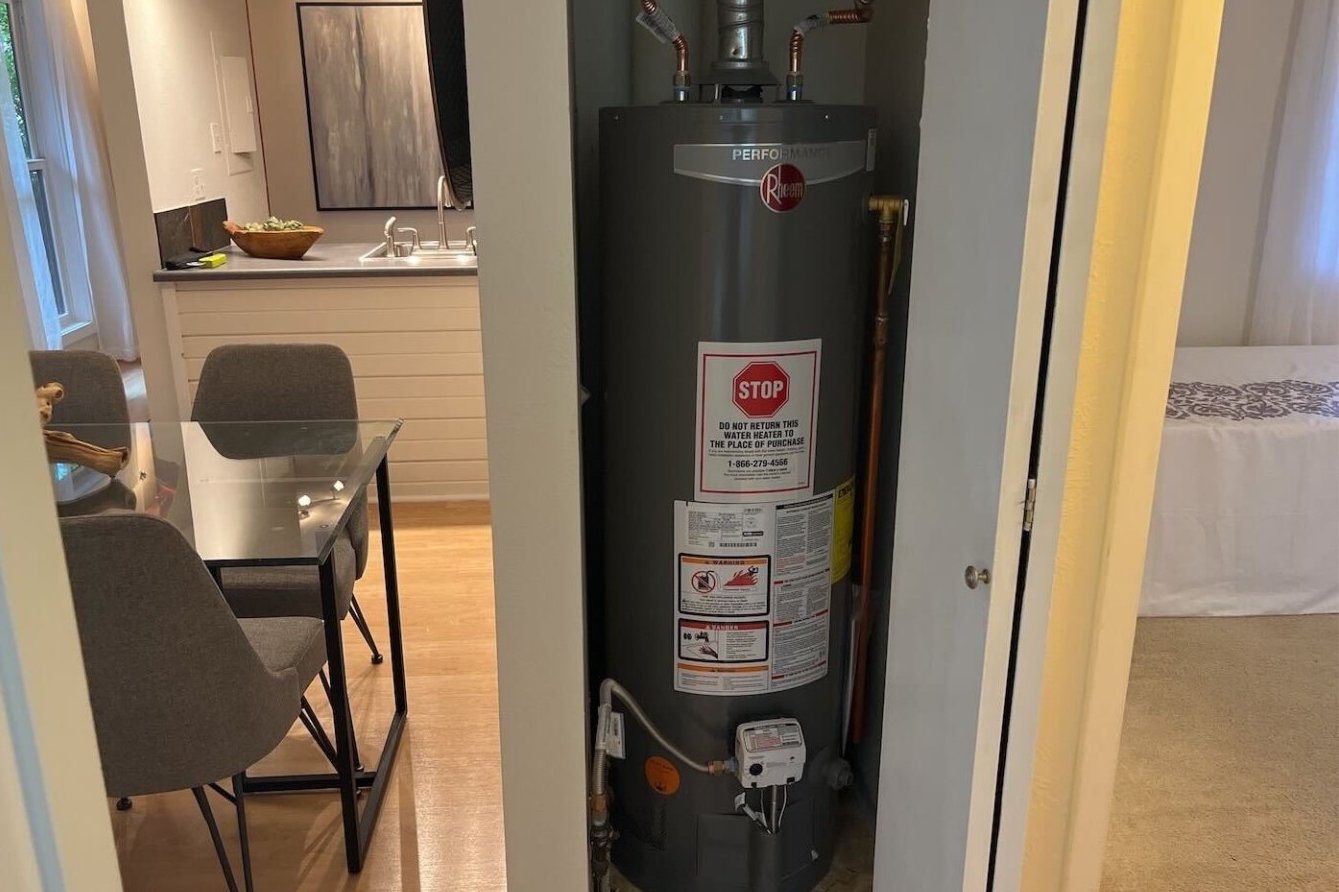
- Leaking or outdated plumbing
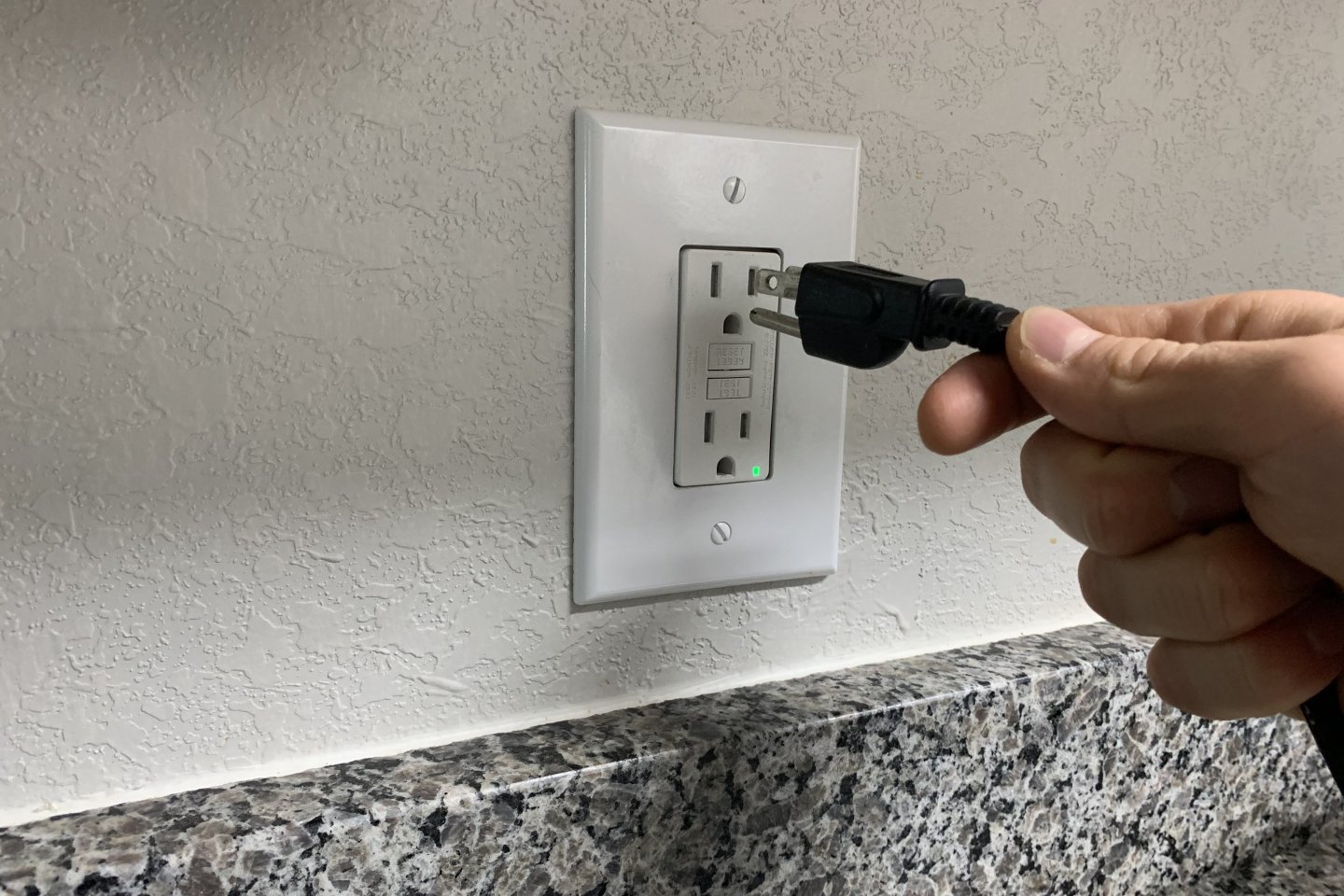
- Unsafe electrical panels
- Heating or cooling issues
- Moisture or ventilation problems
- Missing smoke or CO alarms
5. Know how the new fines work
The maximum $5,000 penalty is designed for repeat offenders who refuse to comply. Most owners won’t encounter this level of enforcement.
6. Ask your inspector or agent about potential risks
Even small issues can grow into compliance problems over time, especially in older homes.
What Happens if a Landlord Doesn’t Get a License?
The city typically follows a stepped enforcement process:
- A warning letter
- Incremental fines between $150 and $999
- Up to $5,000 for repeated non-compliance
The goal isn’t to punish typical owners. It’s to address persistent health and safety violations. For most buyers, bringing a property into compliance is straightforward once problem areas are identified.
What This Change Says About Denver’s Rental Market
Denver’s move toward higher fines reflects a broader focus on safe, well-maintained housing. With more than 27,000+ landlords already licensed, most owners have adapted to the system, and the inspection process has become a familiar part of rental property management.
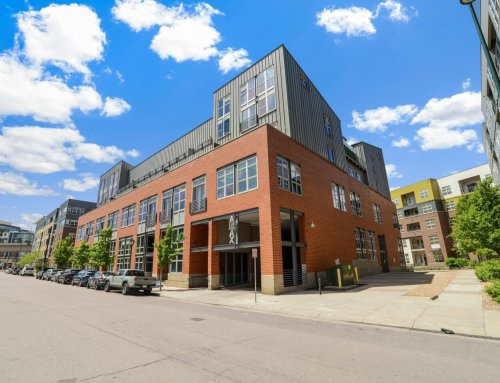
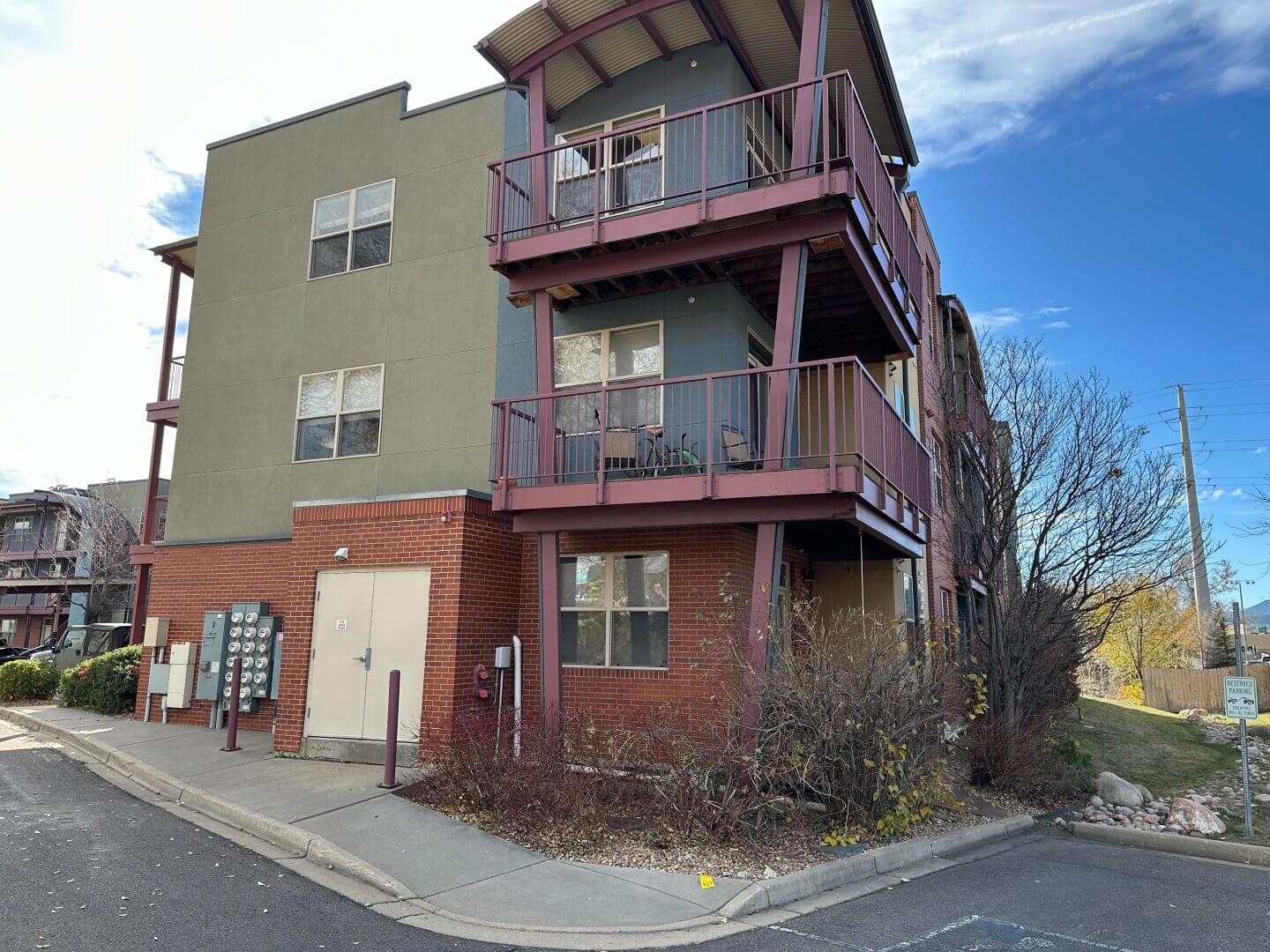
Denver has 27,000+ landlords renting properties such as apartments, single family homes, townhouses, and duplexes.
For buyers, that means a more predictable landscape. For agents, it helps frame conversations around property condition, maintenance, and long-term value.
What You Need to Know
Denver’s new $5,000 fine is a reminder that safe, well-maintained rental housing is becoming the norm, not the exception. By verifying license status early, reviewing inspection records, and planning for potential repairs, buyers and agents can move forward with confidence and avoid costly surprises.

Related Articles
If you enjoyed this article, you may be interested in some of our others.