Security Deposits in Colorado Are Changing: What Landlords and Investors in Denver Need to Know
Date Published: January 7, 2026
Starting January 1, 2026, Colorado landlords and property managers will face some important changes regarding security deposits, thanks to the passage of HB25-1249. Think of it as a little “housekeeping upgrade” for landlords. The goal is to make expectations clearer and help everyone play by the same rules. Here’s what you need to know.
Redefining Normal Wear and Tear
One of the biggest changes is a new, clearer definition of “normal wear and tear.” Under HB25-1249, this refers to the natural deterioration, minor damage, or everyday uncleanliness that happens with typical use without negligence, abuse, or carelessness.
This means landlords can no longer automatically deduct for things like minor scuffs, fading paint, or the everyday flattening of carpet fibers. Picture it like walking across a brand-new carpet in socks. Some wear is inevitable and expected. However, if a unit is left substantially dirtier than at move-in, landlords can still account for cleaning costs.
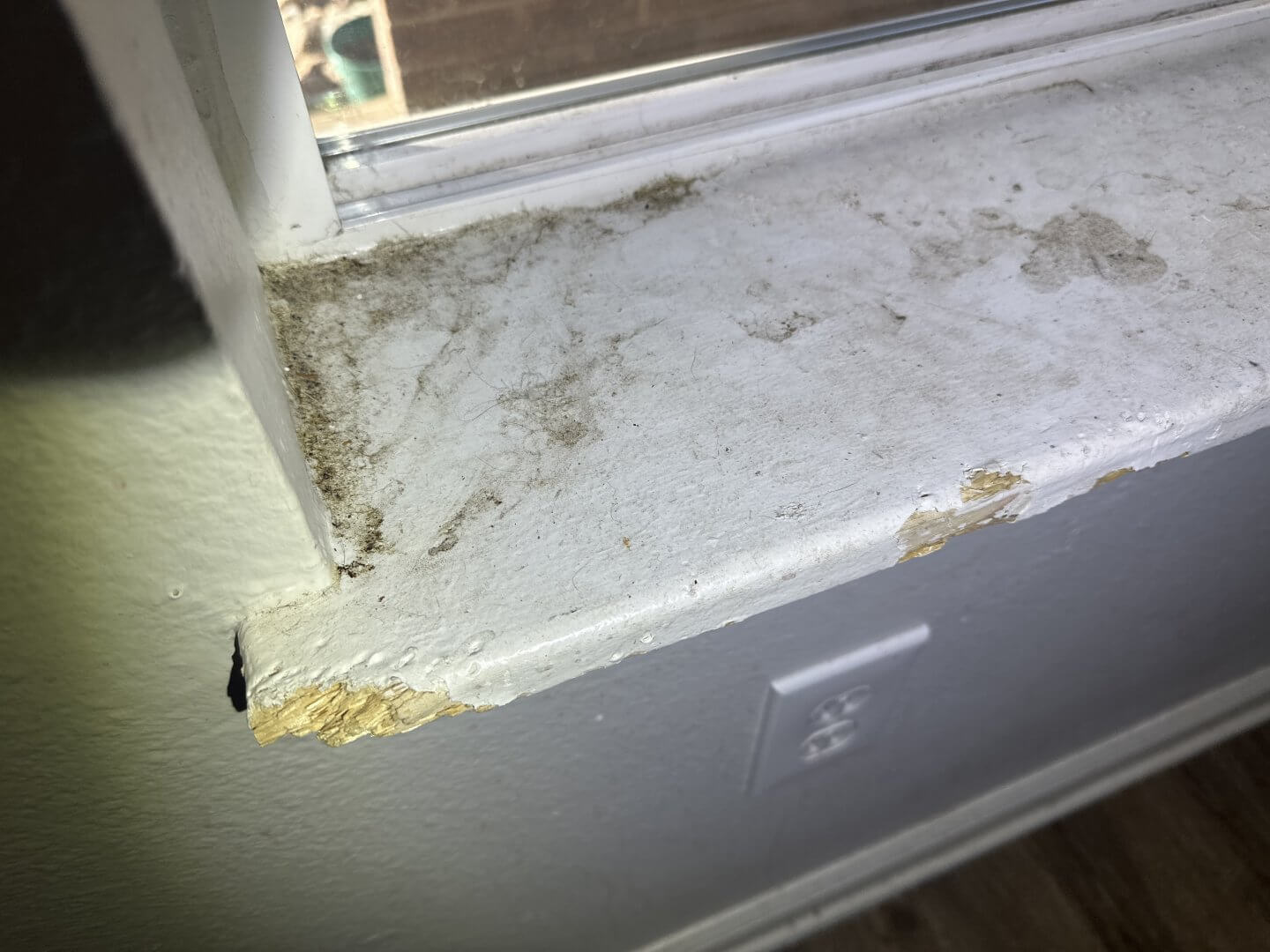
Damage to a window sill identified during a rental inspection. Under Colorado’s updated security deposit rules, documenting damage like this helps determine what goes beyond normal wear and tear and supports fair, defensible deposit deductions.
This clarification benefits both tenants and landlords, setting reasonable expectations. It also highlights the importance of accurate move-in inspections. Documenting the initial condition of the property is like creating a “snapshot in time” that protects landlords if disputes arise over what counts as excessive damage.
Carpet and Paint Rules
HB25-1249 also sets limits on charging for carpet and paint. Landlords can’t charge for full replacement or repainting if damage is confined to just part of a unit. Carpets older than ten years can’t be charged for at all, regardless of damage. Paint charges are allowed only for substantial damage.
For Denver rental properties, this makes documenting carpet age, paint condition, and any localized damage essential. Think of it as keeping a little visual diary of the property. It’s much easier to prove the facts later than rely on memory alone. Detailed move-in inspections and photos provide a solid foundation for any necessary deductions.
Security Deposit Documentation and Returns
The law also expands documentation requirements and timelines for returning security deposits. Landlords must provide a written statement detailing exactly why any portion of a deposit is being withheld. Supporting evidence such as photos, receipts, invoices, or inspection reports should accompany the statement or be provided within 14 days if requested.
If landlords fail to meet these requirements, or act in bad faith, they risk losing the right to keep any portion of the deposit. “Bad faith” includes things like overcharging more than 125% of actual damages, billing for preexisting issues, or withholding deposits for discriminatory or retaliatory reasons.
For Denver landlords, organized records are no longer optional. They’re a must. Clear, timely documentation can prevent disputes from spiraling into costly headaches and ensures deposits are returned fairly.
Pre-Move-Out Inspections
Another big change is that tenants can now request a pre-move-out inspection. Landlords must offer the inspection at a mutually convenient time, either in person or via a virtual walkthrough, after tenants have removed furnishings.
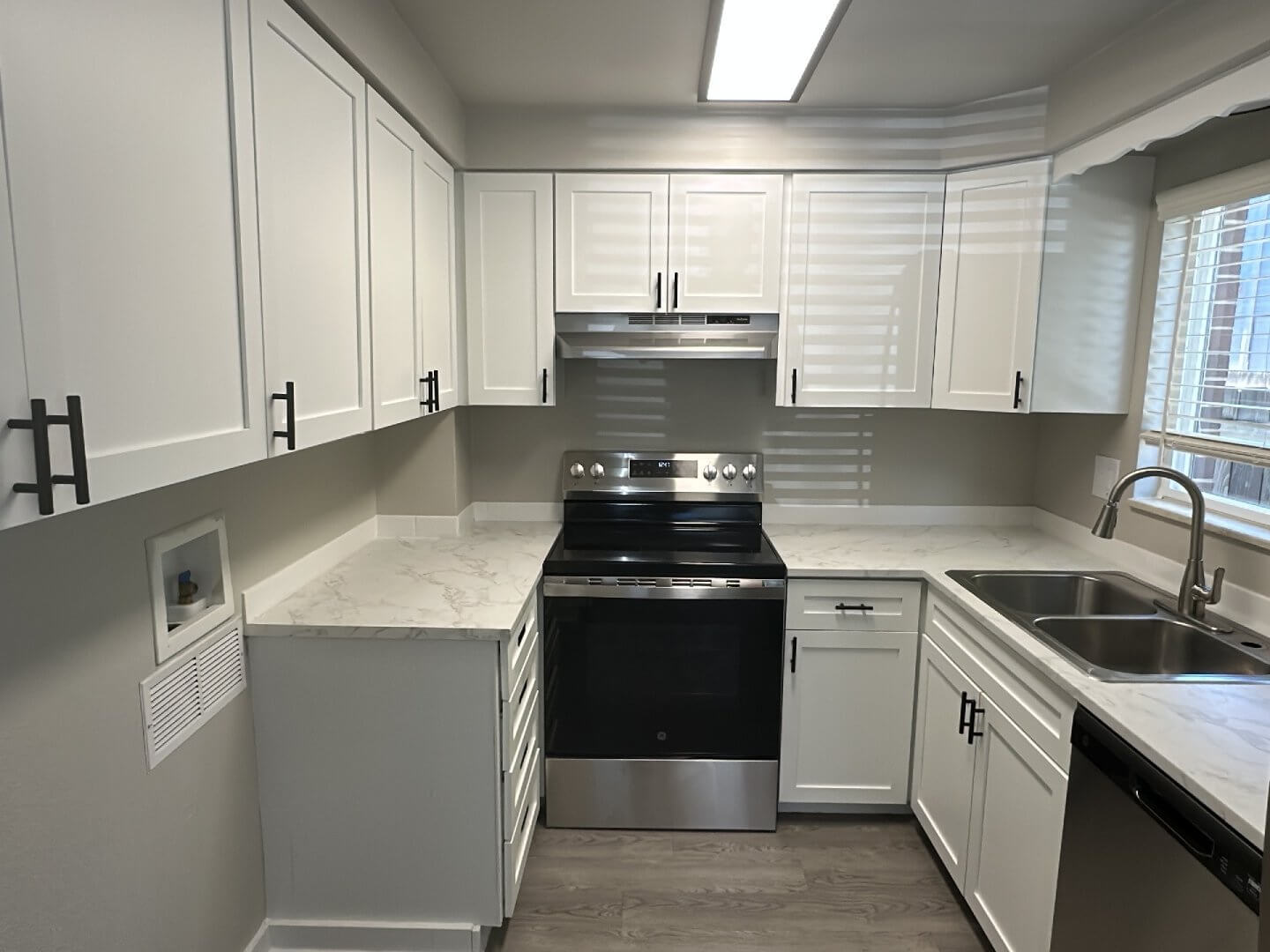
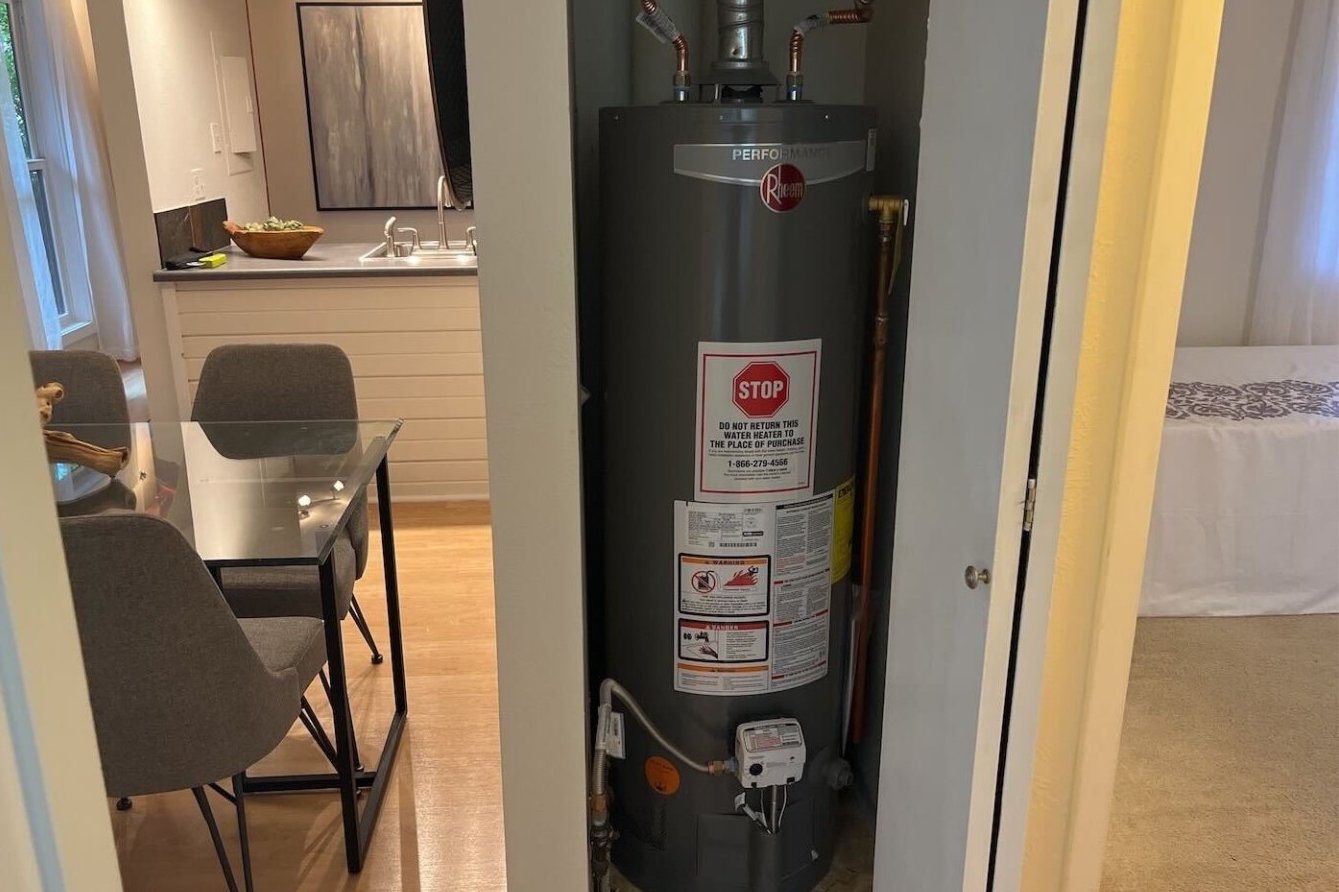
A well-maintained, move-in–ready apartment documented during an inspection. Clear records of a pristine starting condition help set expectations and protect both landlords and tenants when handling security deposits under Colorado’s updated rules.
These inspections are like a sneak peek at the house before the final curtain call. They give landlords a chance to spot damages beyond normal wear and tear, and they give tenants a chance to fix minor issues before move-out. Agents representing investors can highlight the value of this process: it reduces surprises and strengthens tenant relationships.
Security Deposits and Special Circumstances
The law also considers unique situations. For example, tenants who are survivors of domestic violence may terminate a lease early without being held responsible for damage caused by the perpetrator. Any economic impact to the landlord is capped at one month’s rent, provided proper documentation is shared.
Additionally, if a refund check is returned after being sent to the tenant’s last-known address, the landlord must hold it for at least one year and disburse it within fifteen days upon request. These rules emphasize fairness and transparency.
Preparing for Compliance in 2026
For real estate investors and landlords in Denver, preparing for these changes now is crucial. Here are some proactive steps:
- Conduct thorough move-in inspections with detailed reports and photos.
- Schedule pre-move-out inspections when requested by tenants.
- Keep organized documentation of repairs, receipts, and invoices.
- Update lease agreements to reflect allowable deductions and inspection procedures.
Taking these steps does more than ensure compliance with HB25-1249. It can reduce disputes, safeguard investment properties, and keep tenants and landlords on the same page. Agents can use this information to educate clients and help make transitions smoother, all while keeping the process as painless as possible.

Related Articles
If you enjoyed this article, you may be interested in some of our others.