What Is a Spark Arrestor and Does My Chimney Need One?
Date Published: December 20, 2025
Buying a home in Denver often means evaluating features many buyers haven’t thought about before, and chimneys are near the top of that list. One of the simplest but most important parts of a chimney system is the spark arrestor. It’s a small device with a big role in fire safety and overall fireplace performance.
What Is a Spark Arrestor?
A spark arrestor is a metal screen or mesh installed at the top of a chimney that prevents burning embers or sparks from escaping into the air. Think of it as a final safeguard between your fireplace and the surrounding environment. It allows smoke to exit freely while keeping small, hot particles inside the chimney where they belong.
What Does a Spark Arrestor Do?
A spark arrestor serves two main purposes: fire prevention and chimney protection.
First, it stops embers from escaping the flue and drifting into the surrounding area. That’s an especially important safeguard in Colorado’s dry climate. Even though modern homes are built with fire-resistant materials, floating sparks are unpredictable, and this small screen reduces that risk.
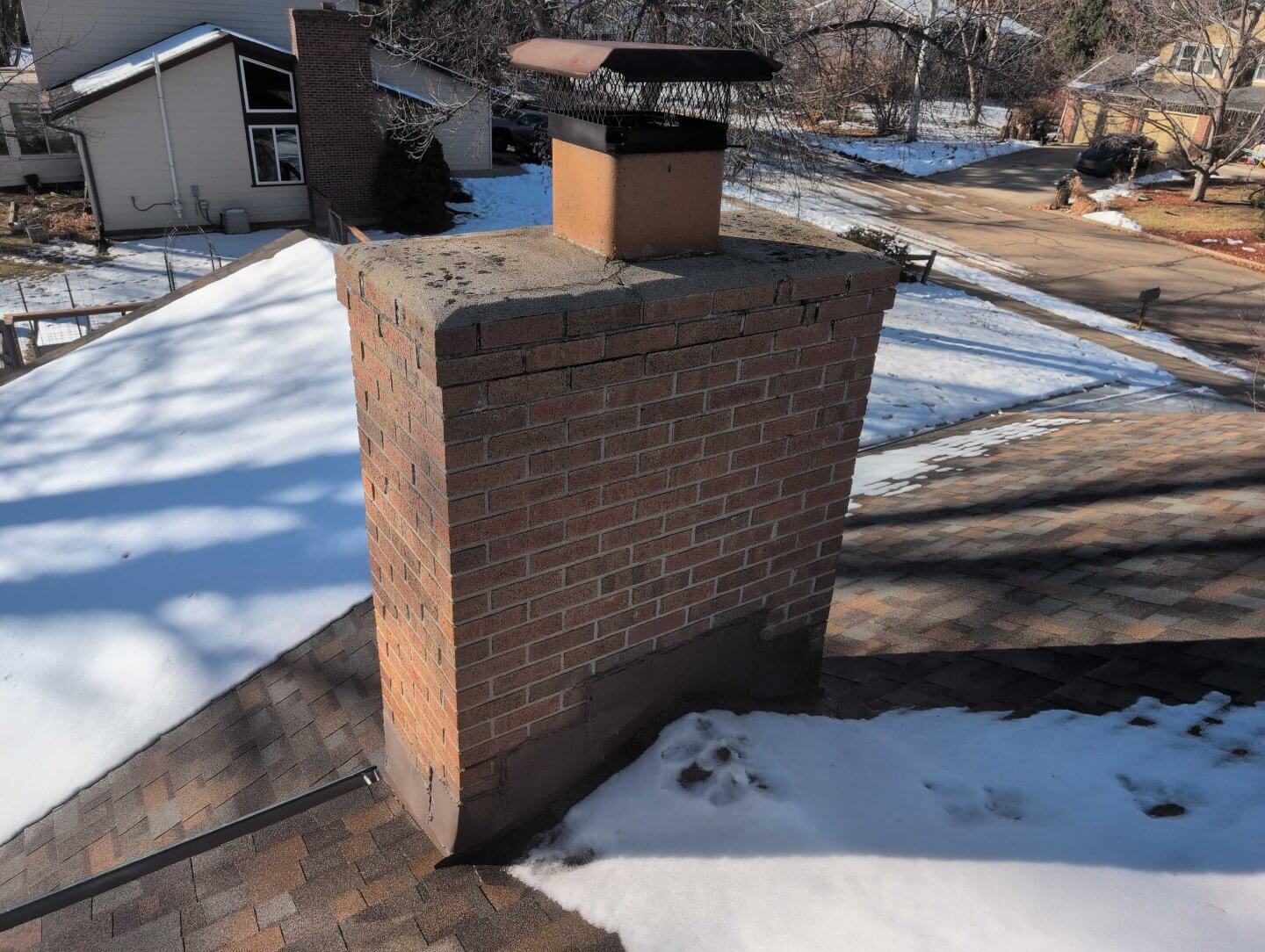
A properly installed spark arrestor on this Denver home helps contain embers and keep debris and animals out of the flue.
Second, it acts as a barrier against animals, debris, and wind-driven leaves. For instance, it creates a barrier to birds and small mammals looking for warm, sheltered spaces near the chimney.
Does Your Denver Home Need a Spark Arrestor?
Most buyers will benefit from having one, especially in homes with wood-burning fireplaces. While local requirements vary, many older Denver homes were built before current fire-safety standards were put in place.
Even when not explicitly required, Colorado’s dry seasons, mixed urban-wildland edges, and higher winds make spark arrestors a practical safety feature. For buyers evaluating a chimney during a home inspection, it’s one of the easiest upgrades to look for because it provides reliable protection with minimal maintenance.
How to Tell if a Spark Arrestor Is Installed
If you’re touring homes, you can often see the spark arrestor from ground level by looking for a metal cap with a mesh screen around it. Most arrestors are built into the chimney cap itself.
During inspections, professionals confirm the presence of a spark arrestor by checking the top of the chimney, noting its condition, and verifying that the mesh openings are the correct size. This ensures that embers stay contained while allowing proper airflow.
What Are the Benefits of a Spark Arrestor?
1. Reduced Risk of Fire Spread
The main reason spark arrestors matter is simple: embers can travel. With Colorado’s weather swings and dry vegetation, an arrestor keeps sparks inside the flue where they pose no risk. This added protection becomes especially valuable in homes surrounded by mature landscaping or wood structures.
2. Improved Chimney Performance
A properly fitted spark arrestor helps stabilize airflow, which supports better drafting. When air moves through the chimney more efficiently, smoke exits smoothly, reducing smoke-back issues that can surprise first-time fireplace owners.
3. Critter and Debris Protection
Small animals often nest in chimney flues without any visible sign from the ground. A spark arrestor keeps the pathway clear by blocking entry, which prevents nesting material from creating airflow obstructions. Clear airflow leads to safer, more efficient burning, which ultimately supports the long-term health of the chimney system.
4. Weather and Wind Shielding
Denver’s winter storms and fast-moving winds can push snow, rain, and debris into an unprotected chimney. The spark arrestor acts as a shield while still letting smoke escape. This consistent design detail ensures the chimney continues functioning the way it was designed, even on rough weather days.
3 Common Spark Arrestor Problems
Even though spark arrestors are fairly simple devices, they still experience wear and tear. When reviewing an inspection report, buyers might encounter a few of these common chimney-related issues:
Clogged or Dirty Mesh
Over time, soot accumulation or debris can clog the mesh. When that happens, airflow can be restricted, which may cause smoke to draft poorly. It’s a quick fix, but it’s helpful for buyers to understand why airflow matters.
Rust or Corrosion
Denver’s freeze-thaw cycles are hard on exterior metal. Spark arrestors built with lower-grade metals can rust faster, which weakens the structure. A rusted arrestor should be replaced to ensure it continues doing its job effectively.
Damaged or Missing Screens
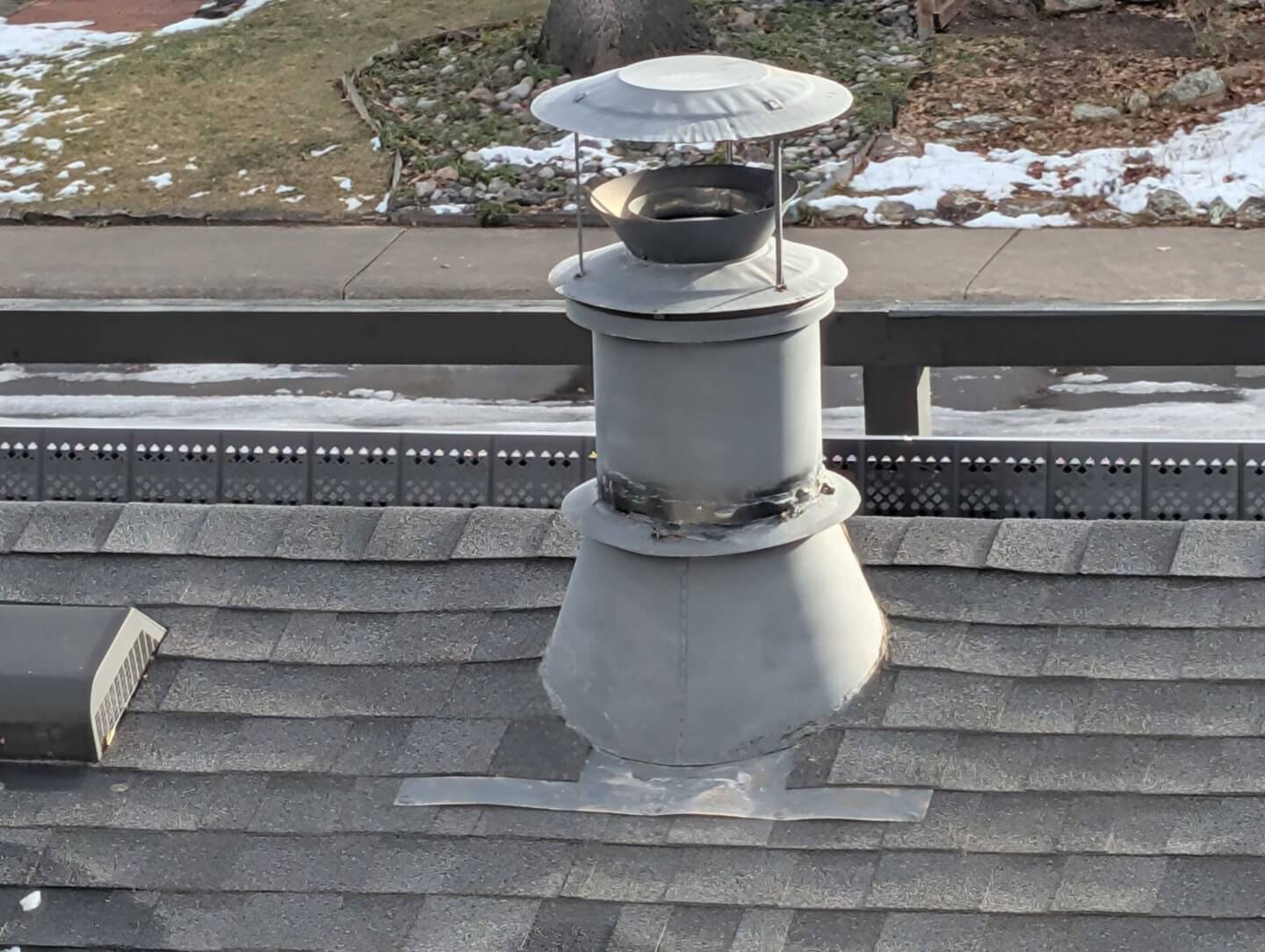
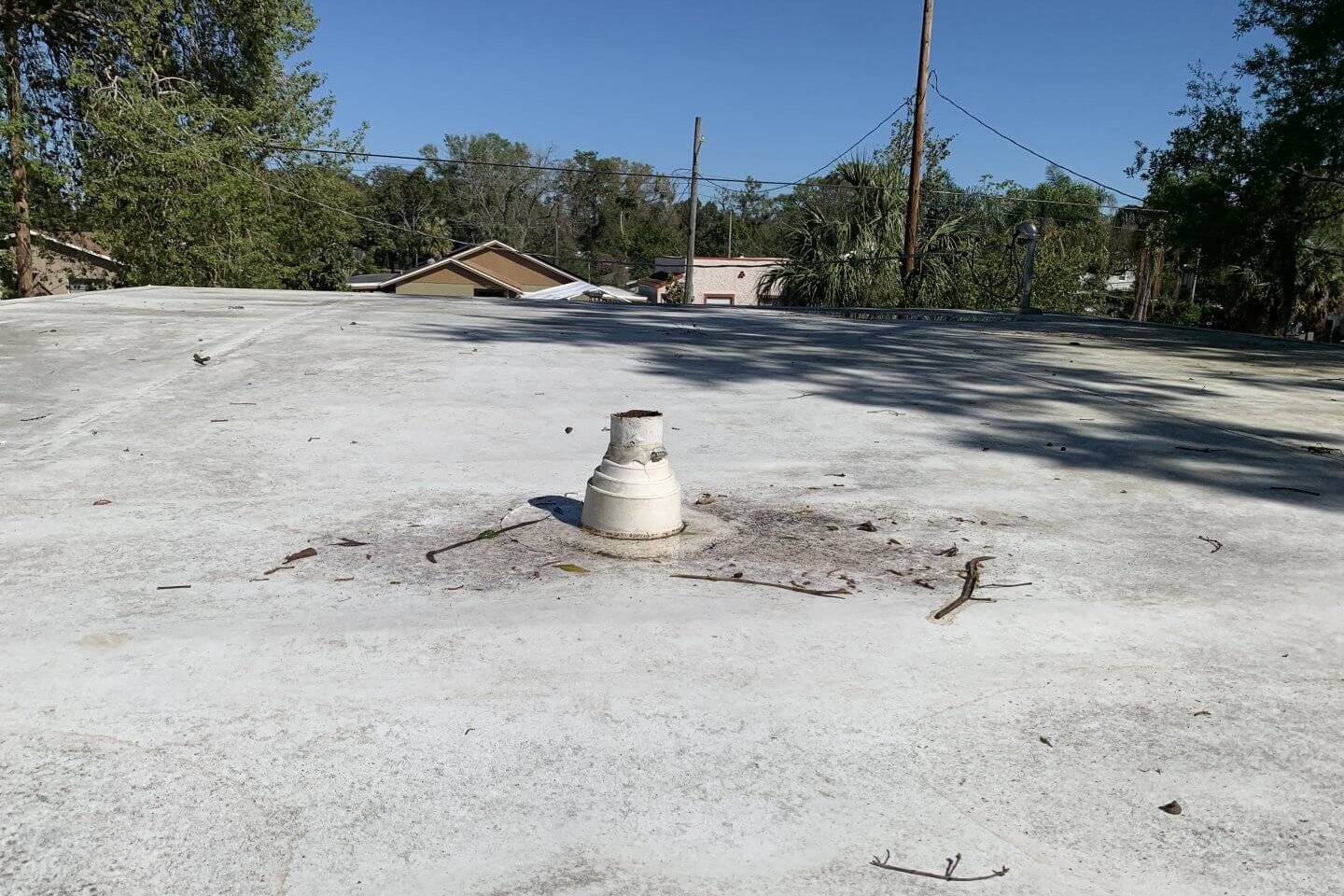
This chimney is missing a spark arrestor, which allows embers to escape and makes it easier for debris and pests to enter the flue.
Wind, storms, or age can cause tears or gaps in the mesh. Even a small opening can allow animals or embers through, so any damage should be repaired promptly.
Loose or Improper Fit
An arrestor that isn’t securely fastened can shift or detach. This is especially important for homes in areas exposed to stronger wind. Inspectors typically check the stability of the cap and the arrestor during routine evaluations.
How Are Spark Arrestors Maintained?
Annual Chimney Inspections
A yearly inspection is the best way to ensure the spark arrestor stays in good shape. Inspectors check for damage, corrosion, blockages, and proper airflow. Even if the fireplace is used lightly, these checks help catch early issues.
Occasional Cleaning
Depending on use, the mesh may need to be cleaned to remove soot or creosote buildup. This keeps smoke moving freely and helps reduce smoke-related issues inside the home. Cleaning intervals vary, but many homeowners schedule cleaning as part of broader chimney maintenance.
Replacing Older Components
If the arrestor is older, bent, or rusted, replacing it is often straightforward and inexpensive. Newer models offer better durability and tighter mesh standards, which means improved long-term safety with minimal ongoing effort.
What You Need to Know
A spark arrestor prevents embers, animals, and debris from entering or escaping the chimney. Denver’s dry climate makes it especially useful for home buyers. Look for proper installation, clean mesh, and rust-free materials. Simple maintenance keeps the fireplace safe, efficient, and ready for long-term use.

Related Articles
If you enjoyed this article, you may be interested in some of our others.