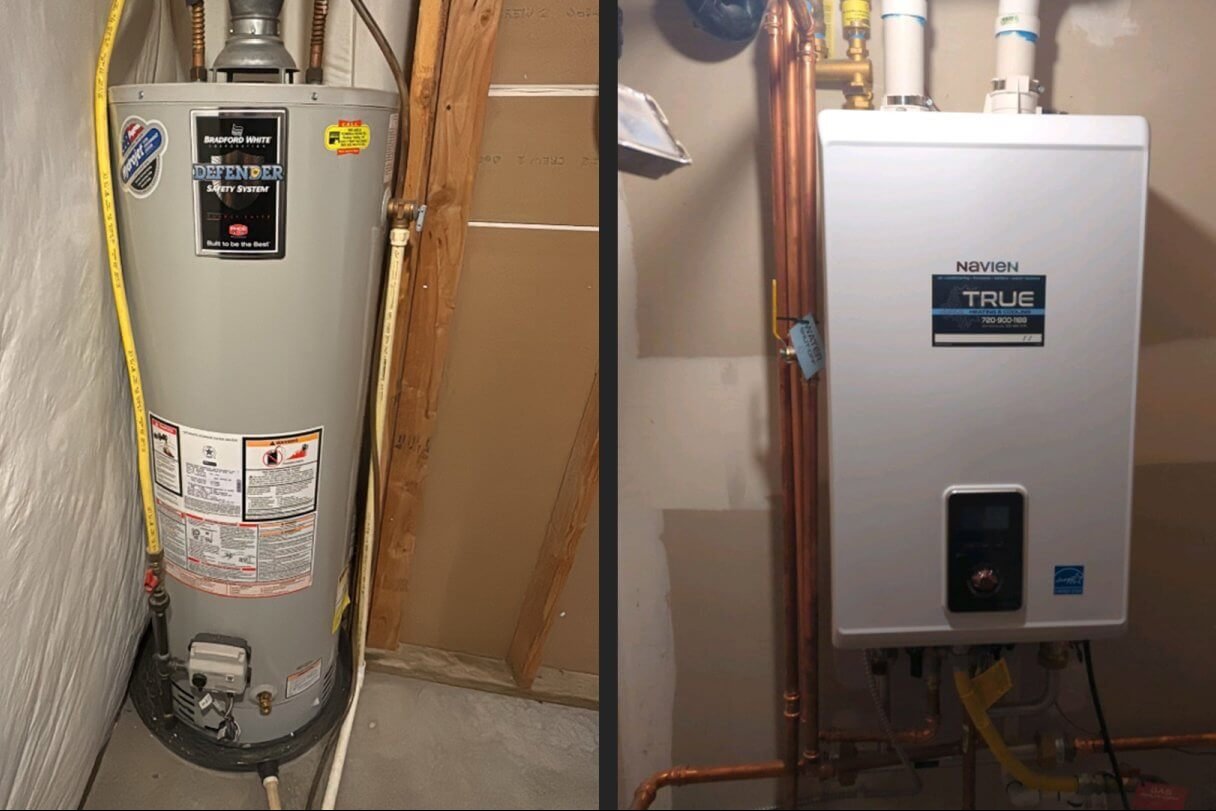
Water Heater Replacement Options: What Homebuyers Should Know
Date Published: November 26, 2025
It’s a situation every homeowner faces eventually: the day your old water heater calls it quits. Whether you’re standing in a puddle or planning ahead before that happens, understanding your water heater replacement options can save you time, money, and stress.
For Colorado homebuyers, choosing the right system can make a big difference in comfort and energy costs. Here’s a simple breakdown of what to know before replacing your water heater and how to find the right fit for your home.
The Two Main Choices: Tank vs. Tankless
When it’s time for water heater replacement, most people start with the classic question: Do I stick with a tank or upgrade to tankless?
Tank water heaters are the traditional choice — large, insulated cylinders that store and heat water all day long. They’re familiar, relatively affordable to install, and straightforward to replace if your existing setup already uses one. But they also have downsides: tanks continuously use energy to keep water hot, even when you’re not using it. Over time, that “standby loss” can add up on your utility bills.
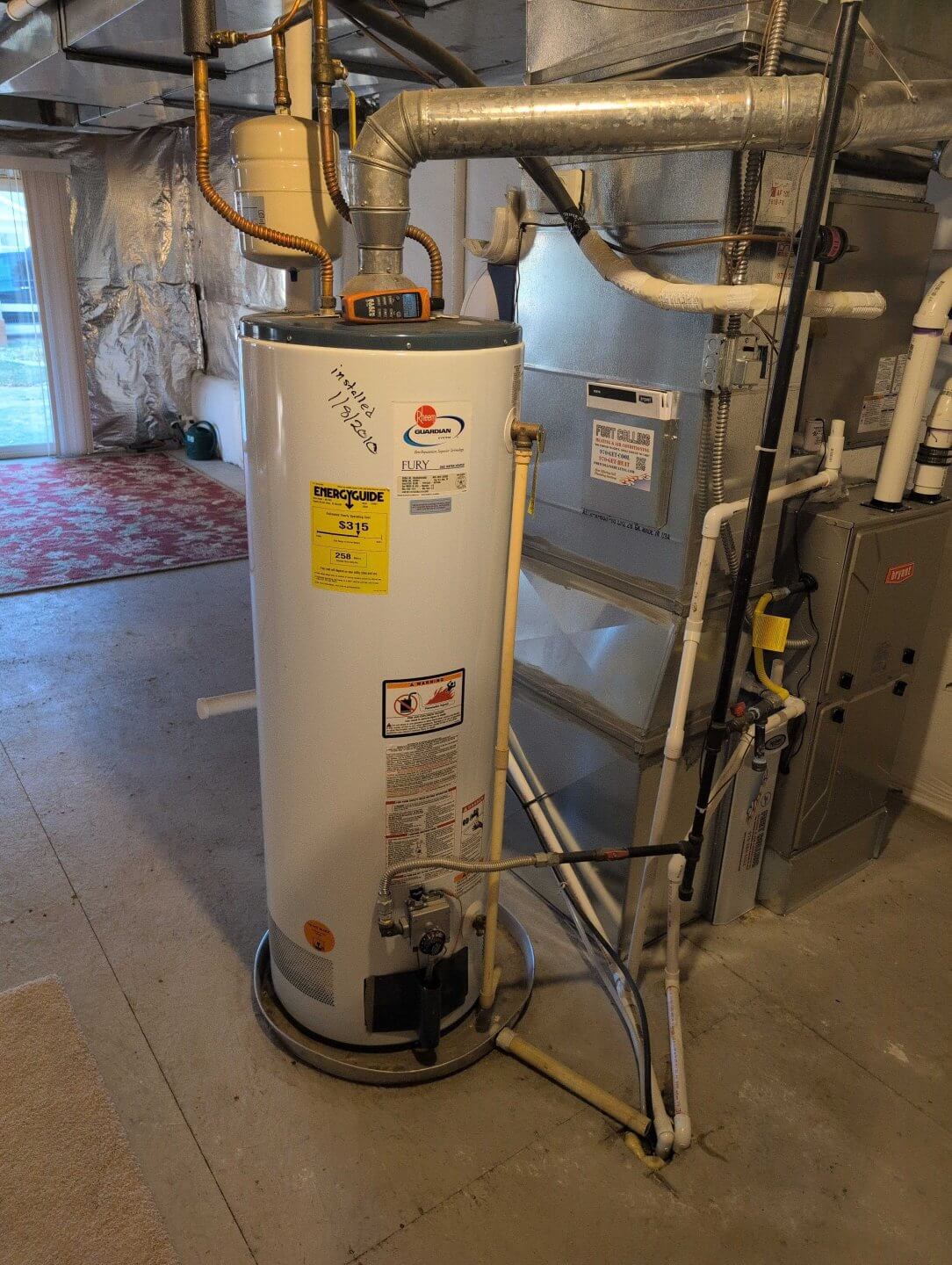
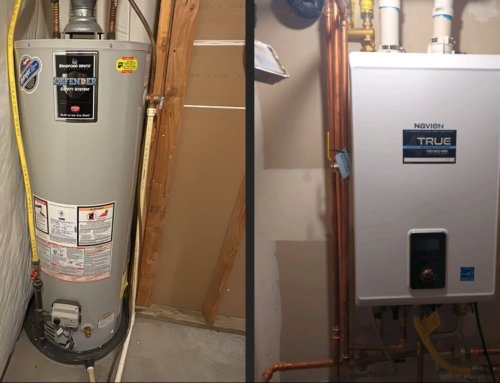
Tank water heaters are the most common and familiar option for homeowners—simple to install, reliable, and ideal for straightforward water heater replacement projects.
Tankless water heaters, on the other hand, heat water only when you need it. Instead of storing hot water, they activate when you turn on a faucet or shower, running cold water over a heat exchanger. That “on-demand” system is why they’re sometimes called instant water heaters.
Because they only heat water as needed, tankless systems tend to be more energy efficient. That’s a major plus for Colorado homeowners looking to lower monthly costs. They’re also compact, mounting neatly on a wall instead of taking up floor space.
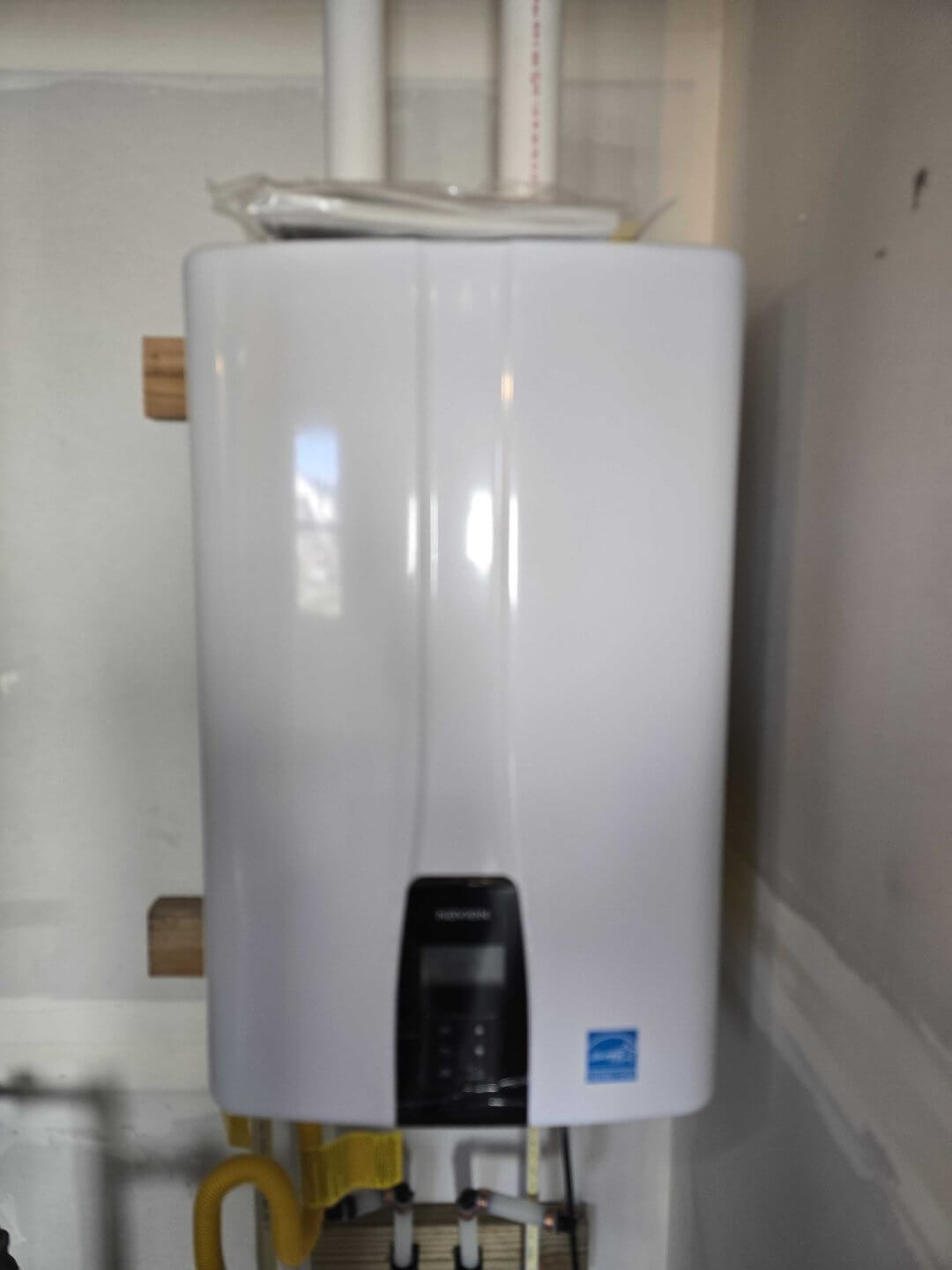
Compact and efficient, gas tankless water heaters provide endless hot water on demand—making them a popular upgrade during water heater replacement.
However, tankless units come with higher upfront costs, and installation can be more complex. Homes converting from a tank system may need new venting or larger gas lines. And while they’re great for smaller households, larger families might notice a drop in water temperature if multiple showers, laundry, and the dishwasher run at once.
Exploring High-Efficiency Water Heaters
If you’re set on keeping a tank but want better performance, high-efficiency water heaters are worth a look. These models use advanced combustion and heat recovery technology to make the most of the energy they consume.
A standard gas water heater might operate at around 80% efficiency, while a high-efficiency model can reach 90% or more. That means less heat escapes through the vent and more goes into your water, translating to faster heating and lower energy waste.
The trade-off? Cost and complexity. HE units are more expensive to install and often require professional setup to ensure proper venting. But for long-term homeowners or energy-conscious buyers, the investment can pay off in reduced utility bills over time.
Considering Solar Water Heating Systems
For the environmentally minded, solar water heating systems are another replacement option. These setups use rooftop solar panels and a circulation system to preheat water before it enters your tank or tankless unit.
In sunny states like Colorado, this can offset a significant portion of your water heating costs. Many homeowners use solar as a supplement, letting the sun do most of the work while a conventional or tankless unit provides backup heating on cloudy days.
The main limitation is predictability: no sunlight means no solar gain. Installation also tends to cost more upfront, though some homeowners offset that with energy rebates or tax credits.
How Long Water Heaters Last
Another factor for buyers to keep in mind is lifespan. A standard tank water heater usually lasts 8–12 years, while tankless systems can run 15–20 years with proper maintenance. High-efficiency and solar systems vary based on usage and upkeep.
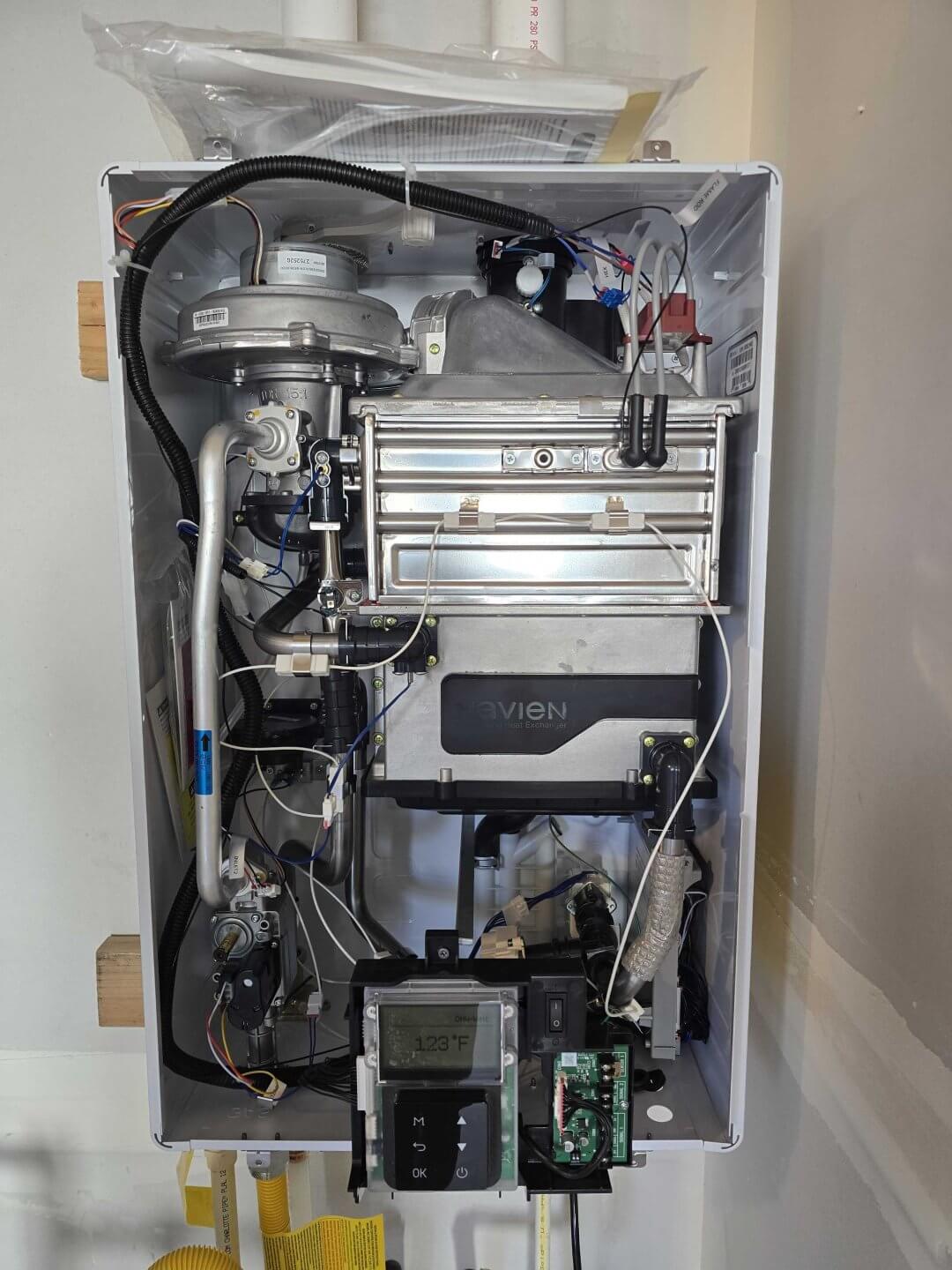
Inside every gas tankless water heater, a heat exchanger and burner work together to heat water instantly—one reason these systems are leading the future of water heater replacement.
If you’re buying an older home, ask when the water heater was last replaced and look for signs of age such as rust and slow heating times. Replacing an outdated unit before it fails can prevent water damage and make your home more energy efficient.
Choosing the Right System for Your Home
There’s no single “best” water heater for every buyer. The right choice depends on your household size, water usage habits, and budget.
-
Go with a tank if you want a lower upfront cost and straightforward installation.
-
Consider tankless if you prioritize energy efficiency, space savings, and long-term value.
-
Look into high-efficiency if you plan to stay in your home and want lower utility bills.
-
Explore solar if sustainability and long-term savings are important to you.
Whatever route you take, the key is to understand your water heater replacement options early before an emergency forces a quick decision.
The Bottom Line on Water Heater Replacement
A water heater might not be the most exciting part of your new home, but it’s one of the most important for daily comfort. By learning the basics of tank, tankless, high-efficiency, and solar systems, homebuyers can make confident, informed choices that balance cost, efficiency, and convenience.
When you know your options, you can turn what feels like a stressful replacement into a smart investment and start your new home journey with hot water ready when you need it.

Related Articles
If you enjoyed this article, you may be interested in some of our others.