
How to Spot Early Signs of Water Damage in Your Home
Date Published: March 20, 2026
Water damage rarely starts with a dramatic flood. More often, it begins quietly. A slow leak, melting snow, or trapped moisture can cause problems long before anyone notices. For homebuyers in Colorado, learning the early signs of water damage can prevent costly surprises after move-in.
-
Stains or Discoloration on Ceilings and Walls
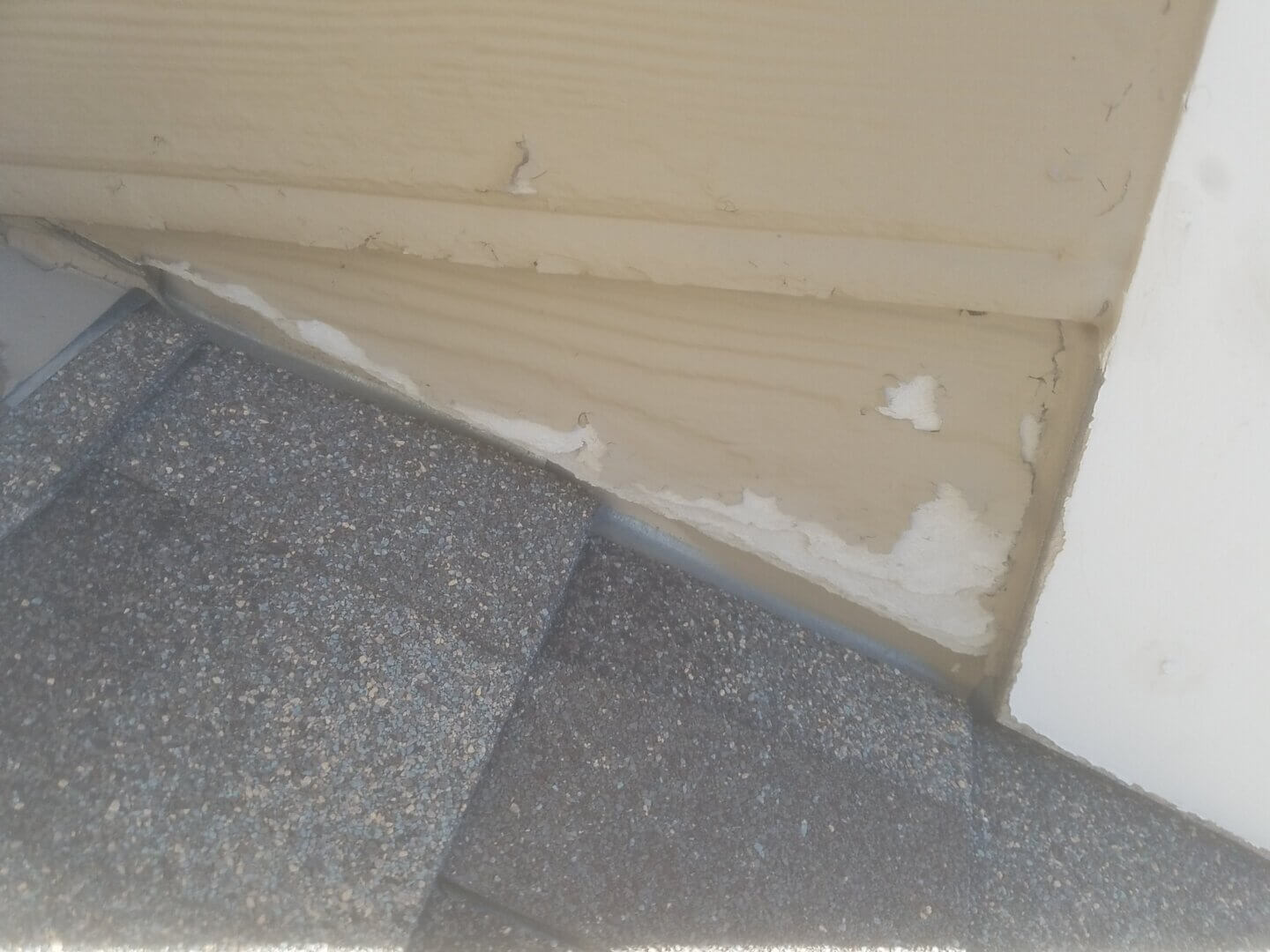
Water intrusion often begins at roof transitions. Damaged or poorly sealed areas near shingles can allow moisture into siding materials, leading to staining and long-term deterioration.
One of the most recognizable signs of water damage is staining. Yellow, brown, or copper-colored marks on ceilings or walls often point to moisture intrusion. These stains may appear faint at first but tend to grow over time.
In Colorado, roof issues and snowmelt are frequent causes. Ice dams can push water under shingles during winter. Spring runoff can overwhelm drainage systems. When water travels behind drywall, it leaves stains where it finally settles.
Stains don’t always mean active leaks, but they show that water was present at some point. Old damage can still matter because materials weaken when they get wet. That history can affect repairs, resale, and future maintenance.
-
Bubbling, Peeling, or Cracked Paint
Paint and water do not get along. When moisture builds up behind painted surfaces, paint begins to bubble, peel, or crack. These changes often appear near windows, bathrooms, kitchens, or exterior walls.
In colder climates, condensation can also contribute. Warm indoor air meets cold surfaces, and moisture forms. Over time, that moisture can damage paint and drywall, especially if ventilation is limited.
-
Musty Odors or Persistent Damp Smells
Smell is a powerful indicator of water damage. A musty or damp odor often signals hidden moisture. These smells tend to linger in basements, crawl spaces, laundry rooms, or bathrooms.
In Colorado, basements are especially vulnerable during spring and early summer. Snowmelt and heavy rains raise soil moisture around foundations. If water enters through cracks or porous materials, odors can develop.
Musty smells often appear before visible damage. That makes them one of the earliest warning signs. These odors also suggest conditions that allow mold growth, which is why water damage and mold often go hand in hand.
-
Warped Floors or Soft Spots
Water affects flooring materials in different ways. Wood floors may cup, crown, or separate. Laminate can swell and buckle. Carpets may feel damp or compressed in certain areas.
Freeze–thaw cycles in Colorado can worsen these problems. Small foundation cracks expand during winter. When snow melts, water enters those gaps and reaches interior materials.
The same applies to soft spots. These deserve attention because they signal prolonged exposure. Flooring should feel firm and stable. When it doesn’t, moisture is often the cause, and repairs may extend below the surface.
-
Visible Mold or Mildew Growth
Mold is both a sign and a consequence of water damage. It thrives where moisture persists. While mold can appear anywhere, it often shows up around bathrooms, windows, basements, and previous leak areas.
Colorado’s dry climate surprises many buyers. Mold still grows here, especially indoors where moisture gets trapped. Poor ventilation and hidden leaks create ideal conditions, even in dry regions. While seeing mold does not always mean severe damage, it does mean moisture is present or was recently present.
-
Cracks Near Windows, Doors, or Foundations
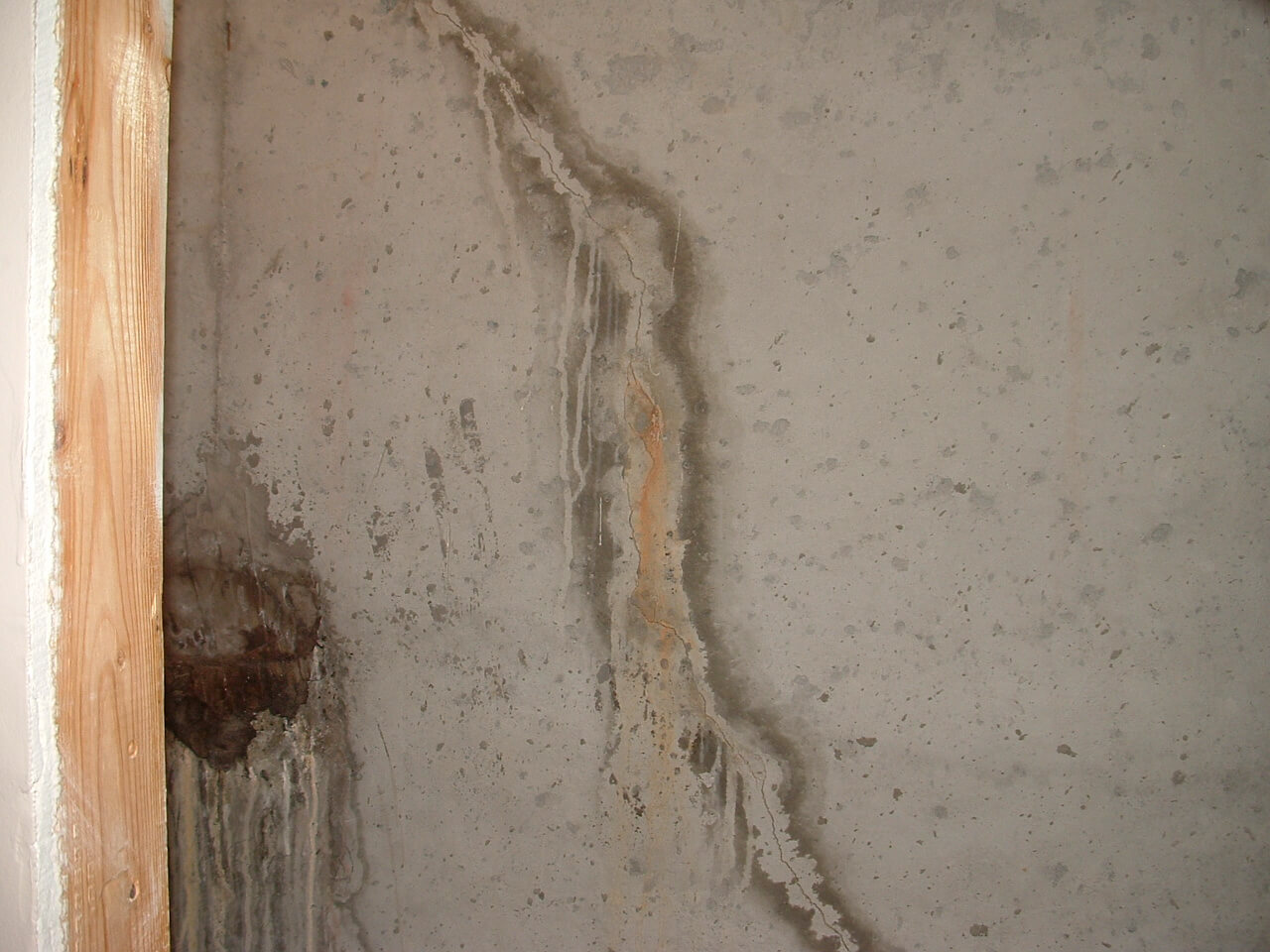
Hairline cracks can form when drywall absorbs moisture and weakens. While subtle, these cracks often point to previous or ongoing water intrusion that deserves closer evaluation.
Not all cracks signal water damage, but their location matters. Cracks around windows, doors, or foundations can allow water inside. Once water enters, damage often follows.
Colorado soils expand and contract with moisture changes. That movement stresses foundations and openings. When cracks form, water follows the path of least resistance. These entry points matter because water damage often starts outside and works inward.
How Buyers Can Tell If Water Damage Is Old or Active
Buyers often ask if water damage is still happening. Active issues usually show fresh staining, dampness, or ongoing odors. Old damage may look dry but still leaves visible marks.
Both matter for different reasons. Active water damage suggests immediate repairs. Older damage raises questions about past conditions and repairs. In both cases, understanding the source helps determine the next steps.
Home inspections often evaluate these signs in context. Inspectors look for patterns, moisture levels, and contributing factors. That process helps separate cosmetic issues from structural concerns.
Why Early Signs Matter More Than Buyers Expect
Small water issues rarely stay small. Moisture weakens materials and attracts mold. What starts as a stain or smell can grow into structural repairs if ignored.
Colorado’s weather adds urgency. Seasonal moisture cycles repeat every year. Without proper drainage and maintenance, water finds the same paths again and again.
For buyers, recognizing early signs of water damage sets realistic expectations. It helps them plan, budget, and prioritize maintenance. Awareness turns surprises into informed decisions.
What This Means for Homeownership in Colorado
Water damage is not always a deal breaker. Many homes have minor issues that are manageable with proper repairs. The key is knowing what exists before it grows.
When buyers understand water damage early signs, they gain confidence. That confidence supports smarter decisions and fewer surprises once the home becomes their own.

Related Articles
If you enjoyed this article, you may be interested in some of our others.